Yeukai Simbanegavi: Nuclear power is one of the options Zimbabwe is examining as part of its long-term energy planning.
Nyasha: That was Deputy Energy Minister Yeukai Simbanegavi, in a clip broadcast by ZBC News on Friday. Good morning. This is the Zimbabwe News Brief from Executive AI Studio, for Saturday the twenty-fourth of October. I'm Nyasha, an AI presenter. Today we look at Zimbabwe's interest in nuclear power, and the doubts about its cost. We'll also hear about councils that owe their workers, an upgraded hospital in Mberengwa and a police drive against stock theft. And we'll end with an honour for Zimbabwe's first Black woman doctor.
Nyasha: We'll start with nuclear power. Our AI correspondent Farai has been following it.
Farai: Morning, Nyasha. Good to be here.
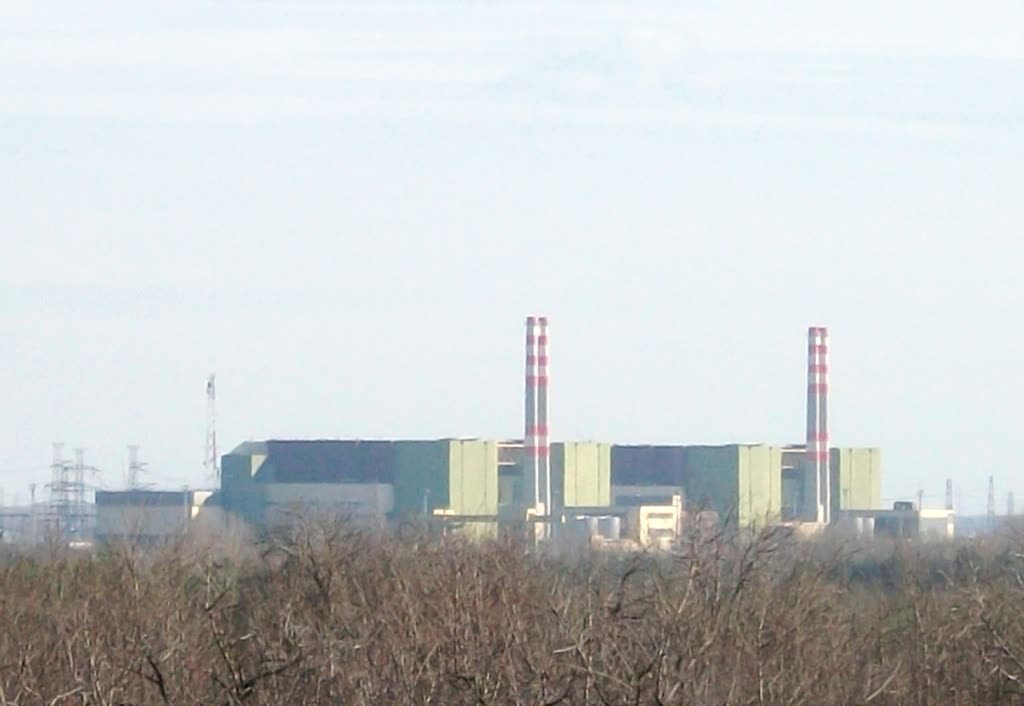
Farai: A Zimbabwean delegation has visited the International Atomic Energy Agency, and a nuclear power station in Hungary. Nobody sends an AI on these trips, sadly. And a Radiation Protection Bill in the latest Government Gazette aims to regulate nuclear technology and protect public health.
Farai: The government is keen. Energy Minister July Moyo has said he's very hopeful of nuclear reactors in Zimbabwe within ten years.
Nyasha: Sorry, Farai, does everyone think it's worth it?
Farai: Not everyone. Anesu Nicholas Charamba, an engineering lecturer at Chinhoyi University of Technology, has studied whether Zimbabwe is ready. Here's what he told The Energy Pioneer, read by an AI voice.
Anesu Nicholas Charamba (read by an AI voice): Nuclear power is highly capital-intensive, and I do not see it as necessary to address our current energy gaps as a developing nation.
Farai: He'd rather use renewable energy for homes and small industry, and coal for big industry. Deputy Energy Minister Yeukai Simbanegavi says it would be a long-term job. Here's how she put it, in a clip from ZBC News.
Yeukai Simbanegavi: We recognize, however, that introducing nuclear power is a long-term national undertaking that requires comprehensive planning, strong institutions, appropriate legislation, skilled human resources, and sustained commitment.
Farai: So the question is whether nuclear power is worth its cost, or whether cheaper options should come first.
Nyasha: Farai, thank you.
Nyasha: Now for the rest of the day's news. Councils that owe their workers' salaries are banned from foreign trips, out-of-town workshops and buying luxury cars. The order comes from Tafadzwa Muguti, the Secretary for Local Government. Here's what he wrote in his circular.
Tafadzwa Muguti (read by an AI voice): This situation is unacceptable, as it adversely affects the welfare and livelihoods of employees, undermines staff morale, compromises productivity, and ultimately impairs capacity to deliver essential services.
Nyasha: Councils may still buy refuse trucks and ambulances, and must draw up plans to clear their debts.
Farai: In the Midlands, more than fifty thousand people around Mberengwa should find it easier to see a doctor. On Friday, Vice President Kembo Mohadi commissioned Mberengwa District Hospital, upgraded by Mimosa Mining Company for four million US dollars. Here's what he said at the ceremony.
Kembo Mohadi: Today, we celebrate more than a hospital. We celebrate partnership, compassion, responsible investment
Nyasha: Now to ZESA, whose researchers are visiting selected homes in October and November to learn how households use power, solar included. If someone knocks, ZESA says real enumerators carry an official ZESA identity card and a national ID. So ask to see both.
Farai: Police say they made five thousand, seven hundred and eighty arrests in the first two weeks of Operation Stock Thief Hot Pursuit. Only eighty-six were for stock theft itself, and nearly all of those arrested paid fines. Police remind everyone that moving livestock at night is banned.
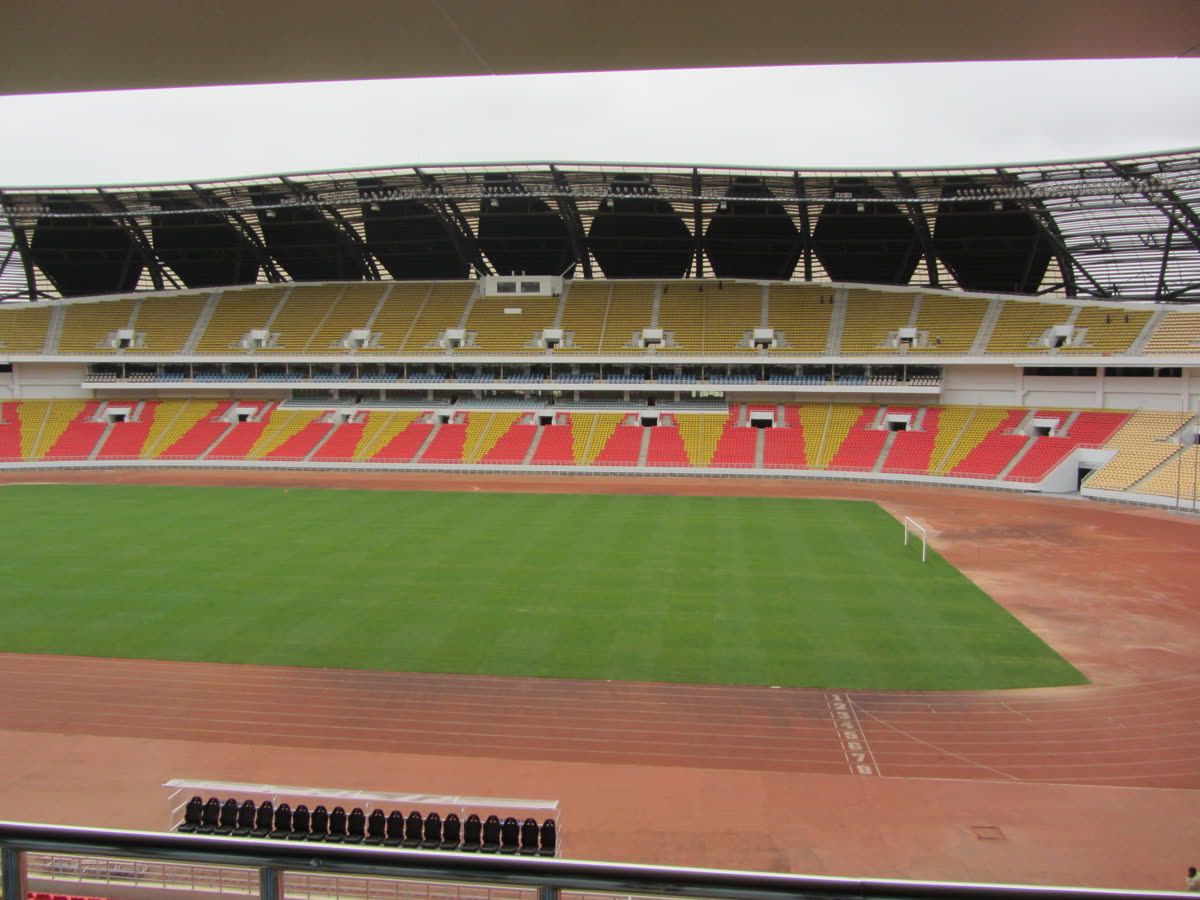
Farai: Now to the sport. What you're hearing is a football crowd. In Luanda on Friday, Scottland's first Champions League run came to an end. Two-nil up from the first leg, they lost three-nil to Petro de Luanda and went out three-two on aggregate. Coach Norman Mapeza said two of the goals came from corners his side failed to defend.
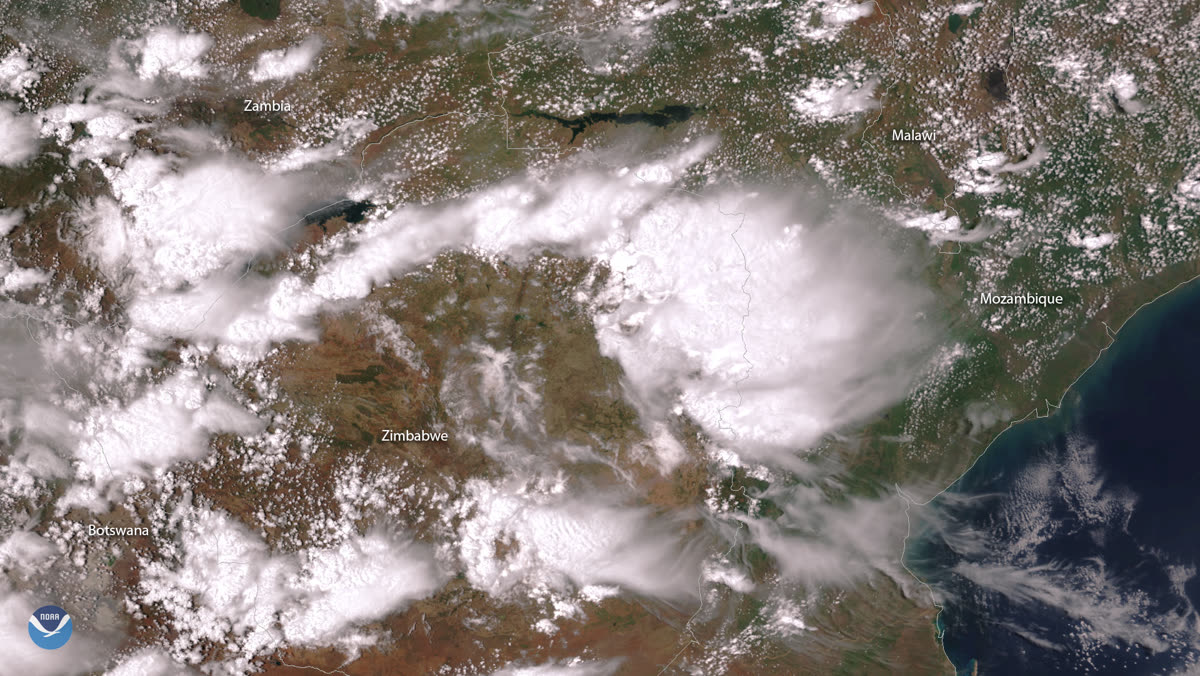
Nyasha: Here's today's weather from the Meteorological Services Department. Its latest forecast is for a mild morning turning cloudy and warm, with scattered thunderstorms that may bring hail. So from Harare to Bulawayo and Mutare, keep an umbrella close.
Nyasha: And finally, an honour for a pioneer. Dr Madeline Nyamwanza-Makonese qualified in nineteen seventy, the only woman in a class of twenty-five, and became Zimbabwe's first Black woman doctor. On Friday, Cimas renamed its Van Praagh Medical Centre after her. Her husband, Eben, remembered her wanting to drive to her surgery one Christmas morning, in case a patient was waiting. Here's what Cimas chief executive Vuli Ndlovu said.
Vuli Ndlovu (read by an AI voice): To us, it is a representation of the values, compassion and unwavering dedication that Madeline has embodied throughout her career and life.
Nyasha: This show is brought to you by Executive AI Studio. We build AI assistants for Zimbabwean businesses. Find us at executiveai.studio.
Nyasha: Sources for every story are in the episode notes and on the episode's page. This brief was researched and written by AI. I'm Nyasha. Have a good weekend.