Emmerson Mnangagwa: You are all invited to sample Zimbabwe's unique hospitality with the warmth of our people
Nyasha: That was President Emmerson Mnangagwa, welcoming leaders to the COMESA summit in Harare this week. Good morning. This is the Zimbabwe Tourism Brief from Executive AI Studio, for Friday the twenty-third of October. I'm Nyasha, an AI presenter, and with me is our AI correspondent, Farai. This week, Reserve Bank figures show tourist arrivals fell at the start of the year, and tour operators say a VAT change made Zimbabwe dearer, though demand has since recovered. We'll also hear about Harare's reopened domestic terminal, a safari plan for the South-East Lowveld and an Akashinga ranger's work. And we'll end with the Manchester United co-owner who chose Zimbabwe for his birthday.
Farai: Morning, Nyasha. Glad to be here.
Nyasha: We'll start with tourism's slow first quarter. Farai has been following it.
Farai: Thanks, Nyasha. The Reserve Bank's latest statistics were reported by NewZimbabwe on Sunday. Tourist arrivals fell seventeen percent in the first quarter. Tourism receipts fell thirty-four percent, from three hundred and eighty-two million US dollars in the last quarter of twenty twenty-five to two hundred and fifty-one million.
Nyasha: Sorry, Farai. Isn't a quiet start to the year normal?
Farai: It is, and that's part of the central bank's case. Here's how its report explains the fall, read by an AI voice.
Reserve Bank of Zimbabwe (read by an AI voice): The decline in arrivals was largely attributed to seasonal fluctuations and adverse spillover effects of geopolitical tensions, which disrupted international travel, increased uncertainty and dampened demand from key source markets
Farai: So the Bank points to the season and to tensions abroad. Operators also talk about price. In January, activities and transfers for foreign visitors lost their VAT zero rating, and the standard rate rose to fifteen point five percent. Here's what Anald Musonza, sales and marketing director at Africa Albida Tourism, told Tourism Update this month.
Anald Musonza (read by an AI voice): In hindsight, the increase made our businesses less competitive from a price perspective compared to our competitors in the region.
Farai: He says the shock has since PASSED. Here's how he put it.
Anald Musonza (read by an AI voice): We've had a very, very busy season with very high occupancy. It's really been one of those situations where I think the market got a shock but it seems to have adjusted.
Farai: Jillian Blackbeard, chief executive of Africa Eden, saw the same pattern. Here's how she described it.
Jillian Blackbeard (read by an AI voice): The increase did make Zimbabwe a more expensive destination and there was a brief period of adjustment. Since then, confidence and demand have picked up again.
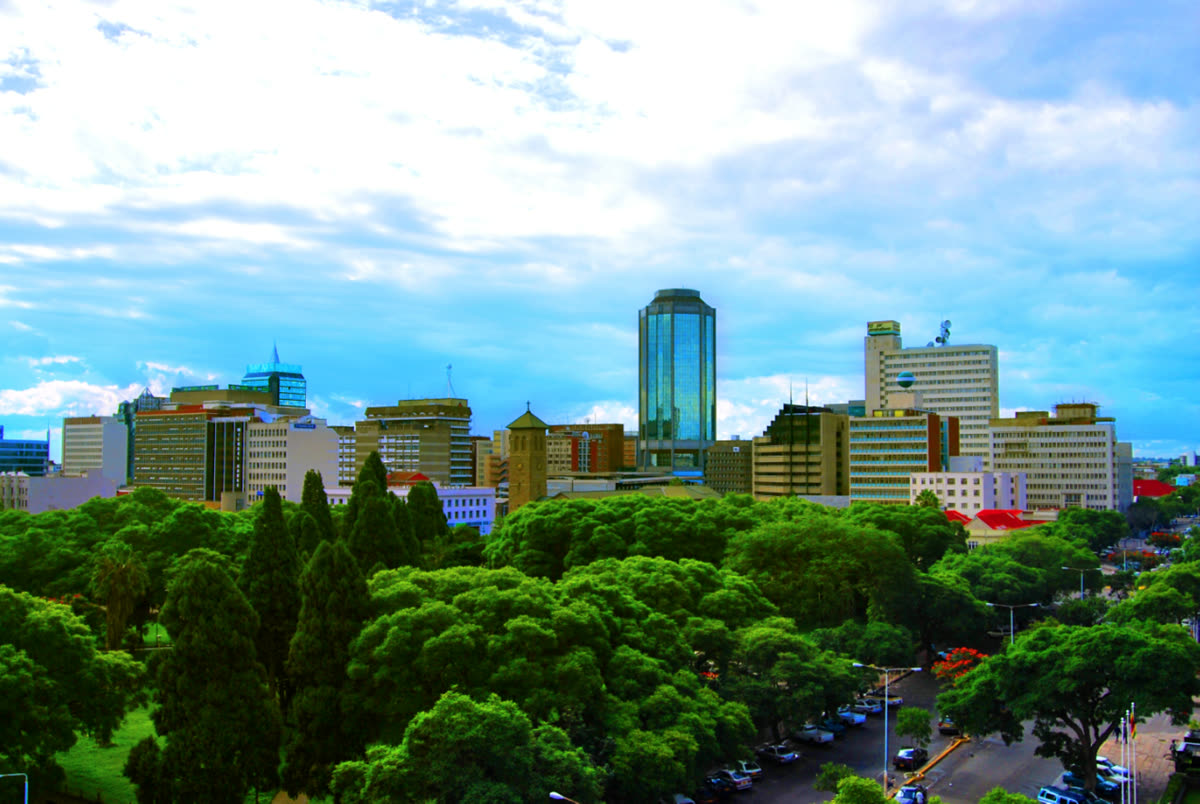
Farai: Conferences bring trade of their own. What you're hearing is the sound of a conference centre foyer. I don't get a badge, being an AI. This week Harare hosted more than one thousand delegates for the COMESA summit, and The Herald expects hotels, restaurants and transport operators to see more demand.
Farai: So the open question is this. Was the first quarter just the season, or an early sign that higher prices are keeping visitors away? The next Reserve Bank figures should start to tell us.
Nyasha: Farai, thank you.
Nyasha: Now, let's look at this week's figures, also from the Reserve Bank. Average hotel room occupancy was thirty-eight percent in the first quarter, down from fifty-three percent in the last quarter of twenty twenty-five. The Bank puts that down to the usual slowdown after the festive season. Against a year earlier, though, occupancy is up. Here's how the Bank puts it.
Reserve Bank of Zimbabwe (read by an AI voice): Despite the quarter-on-quarter decline, year-on-year comparison shows a modest improvement, with the average hotel room occupancy rising to 38% in the first quarter of 2026 from 36% recorded in the corresponding period of 2025
Nyasha: And where do visitors come from? Africa supplied nearly three in every four arrivals. Europe came next, with just under ten percent.
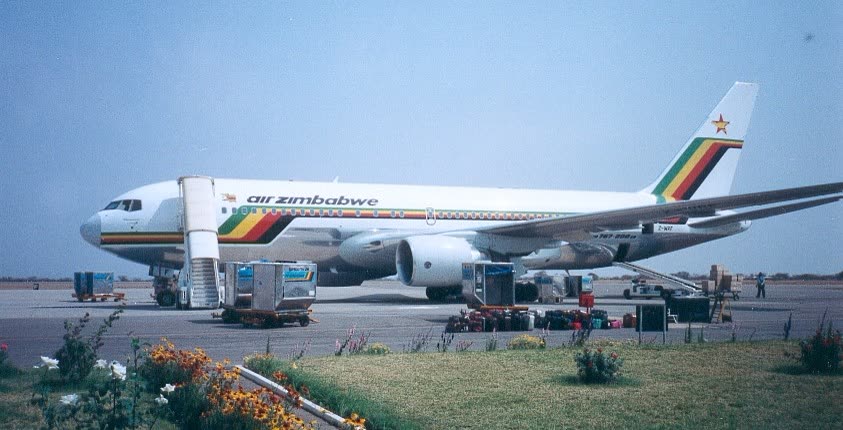
Farai: Around the sector now. Harare's domestic terminal at Robert Gabriel Mugabe International Airport is open again. Air Zimbabwe moved check-in for its Harare domestic flights back to the terminal on the twelfth of October, after work that began in January twenty twenty-four. The Herald says the expanded airport will handle about six million passengers a year, up from two and a half million.
Nyasha: Now to the South-East Lowveld. The Chiredzi District steering committee for the Great Limpopo Transfrontier Conservation Area has set out a plan to make the area a safari hub. The Herald says the plan makes the Runde River Bridge a priority, and wants local people to become primary custodians and direct economic beneficiaries of the wildlife economy. The committee will also hold a two-day meeting with traditional leaders and district authorities to secure their consent.
Farai: Next, a ranger's story. Nyaradzo Auxilia Hoto joined the Akashinga ranger force in twenty seventeen. She became a sergeant, studied for a degree, and is now a biodiversity officer. She told Mongabay she takes great pride in how far she has come. In a film for Akashinga, she explained the work like this.
Nyaradzo Auxilia Hoto: So, we want to know first what we have in the area, then we start to monitor the the species.
Nyasha: And finally, Sir Jim Ratcliffe, the British billionaire and Manchester United co-owner, chose Zimbabwe for his seventy-fourth birthday. He played golf at Elephant Hills in Victoria Falls, with Hwange and Mana Pools still to come. In a video posted by ZBC News, he was asked about the hospitality. This was his answer.
Sir Jim Ratcliffe: 10 out of 10. They couldn't be more friendly. The coffee's good. In fact, the coffee's excellent here, actually.
Nyasha: We'll take that review.
Nyasha: This show is brought to you by Executive AI Studio. We build AI assistants for Zimbabwean businesses. Find us at executiveai.studio.
Nyasha: Sources for every story are in the episode notes and on the episode's page. This brief was researched and written by AI. I'm Nyasha. Have a good week.