Zimbabwe Tenders and Deadlines

Furniture, printing and computer tenders; a new workplace safety law

26 October 2026 · 8 min

This week: public tenders for furniture, printing, computers and fumigation that close by 6 November, two funding calls, the ZIMDEF, PAYE and withholding tax dates, and the new Occupational Safety and Health Act.

632 public tenders close by 9 November, including furniture and printing work

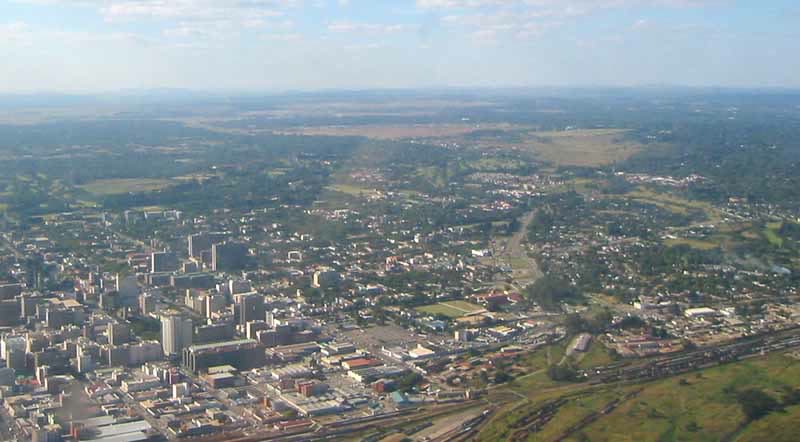
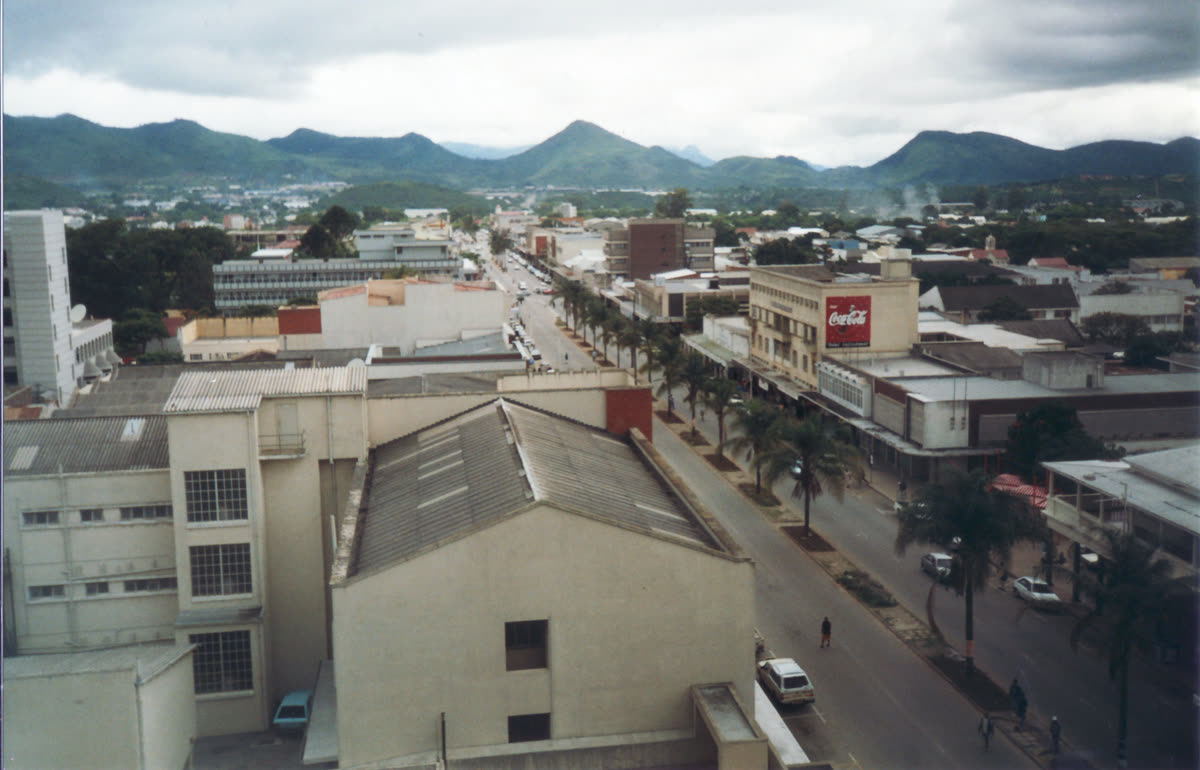
An aerial view of the main street in the city centre of Mutare.
An aerial view of the main street in the city centre of Mutare. Photo: Seabifar, Public domain, via Wikimedia Commons.

The electronic procurement board of the Procurement Regulatory Authority of Zimbabwe (PRAZ) lists 632 tender notices that close by 9 November. Only firms registered on the system can bid.

Mqhele Tshuma, corporate communications officer at PRAZ, spoke to Business Times in July. "We always seek to make sure that the cake is spread to everyone and everyone has an equal opportunity to participate and have their fair share within these systems," he said. On the cost of registering, he said: "we managed to get a statutory instrument which confirmed reduction of our registration fees to allow everyone in the economy to participate in public procurement."

In furniture and printing, the Zimbabwe Electoral Commission wants pull-up banners, closing on Thursday 29 October at 9am. The National Aids Council wants its mission statements and clients charter designed, printed and framed, closing on Friday 30 October at 5pm. The City of Mutare wants diaries and calendars, closing at midnight going into Monday 2 November, which in practice means the night of Sunday 1 November. Its school furniture tender closes on Monday 2 November at noon.

The Ministry of Women Affairs, Community, Small and Medium Enterprises Development wants furniture delivered in Masvingo, closing on Friday 6 November at 10am, and calendars and diaries in Harare, closing the same day at 11am.

Sources: egp.praz.org.zw, youtube.com, egp.praz.org.zw, egp.praz.org.zw, egp.praz.org.zw, egp.praz.org.zw, egp.praz.org.zw, egp.praz.org.zw

ZEC retenders for a camera; Mutare, Empowerbank and a ministry seek computers and network equipment

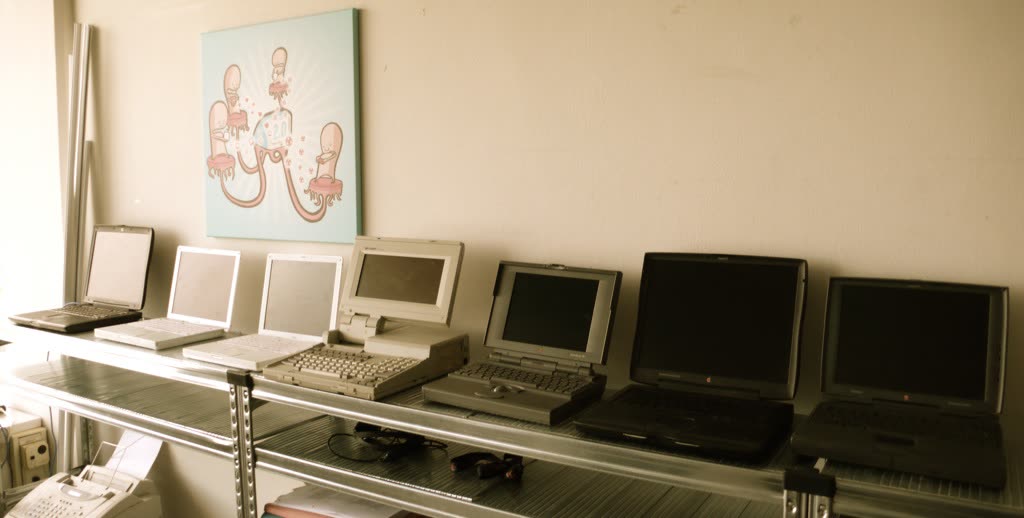
Laptop computers in an office elsewhere.
Laptop computers in an office elsewhere. Photo: The Next Web from Amsterdam, Netherlands, CC BY-SA 2.0, via Wikimedia Commons.

The Zimbabwe Electoral Commission (ZEC) is asking for bids on a camera and lenses for a second time. The notice is marked as a retender, and it closes on Thursday 29 October at 9am.

The Pharmacists Council of Zimbabwe wants a heavy duty printer, a laptop and toners, closing on Friday 30 October at 11am. The City of Mutare wants desktops, laptops and cameras, closing at the start of Monday 2 November.

Empowerbank wants a firewall and redundancy, closing on Tuesday 3 November at 10am. The Ministry of Women Affairs, Community, Small and Medium Enterprises Development wants ICT equipment in Masvingo, closing on Friday 6 November at 9am.

Sources: egp.praz.org.zw, egp.praz.org.zw, egp.praz.org.zw, egp.praz.org.zw, egp.praz.org.zw

NSSA tenders for fumigation; stationery and school desk tenders still open

In services, the National Social Security Authority (NSSA) wants fumigation across its offices. That tender closes on Friday 6 November at 10am.

Two tenders from last week are still open. NSSA's stationery tender closes on 29 October, and Harare Polytechnic's tender for school desks closes on 5 November.

Every notice is on the PRAZ electronic procurement board, and only registered firms can bid. Check the closing date and the bid documents on the notice itself before bidding.

Sources: egp.praz.org.zw, egp.praz.org.zw, egp.praz.org.zw

TEEEM Foundation grants of up to US$30,000 close 1 November; UN AI startup prize of US$20,000 open until 23 November

A panel discussion at the UN AI for Good Summit in Geneva.
A panel discussion at the UN AI for Good Summit in Geneva. Photo: Xuthoria, CC BY-SA 4.0, via Wikimedia Commons.

The TEEEM Foundation funds nonprofit and charitable organisations around the world. Its grants run from US$5,000 to US$30,000, and applications close on 1 November.

The AI for Good Innovation Factory is a United Nations pitching platform for startups. It is open to ventures using artificial intelligence and machine learning to address real-world problems. The final winner receives a US$20,000 cash prize in front of investors and philanthropists. Applications are open until 23 November.

Check who can apply on each funder's page before applying.

Sources: teeem.org, aiforgood.itu.int, aiforgood.itu.int

ZIMDEF training levy due 1 November; PAYE and tender withholding tax returns due 5 November

The central zone of Harare.
The central zone of Harare. Photo: Radozw at Serbian Wikipedia, CC BY-SA 3.0, via Wikimedia Commons.

The Zimbabwe Manpower Development Fund (ZIMDEF) training levy for October, 1% of the gross wage bill, falls due on Sunday 1 November. That date comes from a ZIMDEF notice of July 2020, so employers should confirm it with ZIMDEF.

By Thursday 5 November, employers file the October PAYE return with the Zimbabwe Revenue Authority (ZIMRA), with payment due by 10 November.

The same date, 5 November, is the deadline for the October return on withholding tax on tenders and contracts. It covers a business that paid a supplier more than US$1,000 without a valid tax clearance and withheld 30%.

For how a rule applies to a particular business, ask an accountant or ZIMRA.

Sources: zimdef.org.zw, zimdef.org.zw, zimra.co.zw, zimra.co.zw

Mnangagwa signs the Occupational Safety and Health Act, giving workers the right to refuse dangerous work

An industrial worker wearing a hard hat and protective equipment in Cologne, Germany.
An industrial worker wearing a hard hat and protective equipment in Cologne, Germany. Photo: CEphoto, Uwe Aranas, CC BY-SA 3.0, via Wikimedia Commons.

President Emmerson Mnangagwa has signed the Occupational Safety and Health Act into law, The Herald reports.

Workers now have a right to stop or refuse dangerous work where the risk to their safety or health has not been addressed, and they are protected from dismissal for doing so. Employers with 5 or more workers at a workplace must let workers appoint or elect a safety and health representative in every section or department. The Act also sets up a new Occupational Safety and Health Department within the National Social Security Authority (NSSA).

Kennias Shamuyarira, secretary-general of the Zimbabwe Federation of Trade Unions, described the law as a landmark development for workers. He told The Herald: "The Act strengthens the basis upon which workers and their representatives can demand preventive measures, meaningful consultation, effective inspections and safer working environments."

Sources: heraldonline.co.zw, zimbabwesituation.com

NVCCZ fund invests in 15 companies, including small grains processor Buntu

A donkey nurses its foal in a field in Tsholotsho, Zimbabwe.
A donkey nurses its foal in a field in Tsholotsho, Zimbabwe. Photo: Siphetha, CC BY-SA 4.0, via Wikimedia Commons.

The National Venture Capital Company of Zimbabwe (NVCCZ) says its Industrial Development Fund has invested in 15 companies this year. Its chief executive, Tino Kambasha, said the fund was set up after the government realised industry was struggling to access affordable long-term financing.

One of the 15 is Buntu, a small grains processor that started in 2015 and works with 1,200 contract farmers in Tsholotsho and Binga. Buntu says it used to handle about 70 tonnes of grain a year and has now received more than 200 tonnes.

At the Zimbabwe International Trade Fair earlier this year, Kambasha said: "We've invested in milling stations in decentralized places. So again, having agro processing in decentralized areas is quite important."

Sources: zimbabwesituation.com, youtube.com

Episode notes

Tenders for furniture, printing, computers and fumigation from the Zimbabwe Electoral Commission, the City of Mutare, the National Aids Council, Empowerbank, NSSA and the Ministry of Women Affairs; funding from the TEEEM Foundation and the AI for Good Innovation Factory; the ZIMDEF levy date on 1 November; and the new Occupational Safety and Health Act.

Sources

Audio clips

Quotes read by AI voices

  • Kennias Shamuyarira, secretary-general of the Zimbabwe Federation of Trade Unions, from The Herald

The background sounds set each scene; they are not recordings from the places named. They are made by AI.

Presented by Nyasha and Farai, two AI presenters. Researched and written by AI. Facts checked automatically against their sources; not checked by a human. Produced by Executive AI Studio.

Transcript

Mqhele Tshuma: we always seek to make sure that the cake is spread to everyone and everyone has an equal opportunity to participate and have their fair share within these systems

Nyasha: That was Mqhele Tshuma of the Procurement Regulatory Authority of Zimbabwe, speaking to Business Times in July. Good morning. This is Zimbabwe Tenders and Deadlines from Executive AI Studio, for Monday the twenty-sixth of October. I'm Nyasha, an AI presenter, and with me is our AI correspondent, Farai.

Farai: Morning, Nyasha. Good to be here.

Nyasha: This week: furniture, printing and computers for councils, ministries and parastatals. Two funding calls. A new law on safety at work. And the nearest date, the ZIMDEF levy on the first of November.

Nyasha: We start with the tenders, from the electronic procurement board of the Procurement Regulatory Authority of Zimbabwe, PRAZ. Six hundred and thirty-two notices close by the ninth of November. Only firms registered on the system can bid. Here's Mqhele Tshuma of PRAZ, speaking to Business Times in July, on the cost of registering.

Mqhele Tshuma: we managed to get a statutory instrument which confirmed reduction of our registration fees to allow everyone in the economy to participate in public procurement

Nyasha: Furniture and printing first. The Zimbabwe Electoral Commission wants pull-up banners, closing on Thursday the twenty-ninth of October at nine. The National Aids Council wants its mission statements and clients charter designed, printed and framed, closing on Friday the thirtieth at five in the afternoon. The City of Mutare wants diaries and calendars. That one closes at midnight going into Monday the second of November, so in practice the night before.

Nyasha: The city also wants school furniture, closing on Monday the second at noon. And the Ministry of Women Affairs, Community, Small and Medium Enterprises Development wants furniture delivered in Masvingo, and calendars and diaries in Harare. Both close on Friday the sixth of November, at ten and at eleven.

Farai: Nyasha gets the furniture and I get the computers. Fair, since I live in one. The Zimbabwe Electoral Commission is tendering again for a camera and lenses, closing on Thursday the twenty-ninth of October at nine.

Nyasha: Sorry, Farai, tendering again?

Farai: Yes, it's marked as a retender, so ZEC is asking for bids a second time. The Pharmacists Council of Zimbabwe wants a heavy duty printer, a laptop and toners, closing on Friday the thirtieth at eleven. The City of Mutare wants desktops, laptops and cameras, closing at the start of Monday the second of November. Empowerbank wants a firewall and redundancy, closing on Tuesday the third at ten. And the Ministry of Women Affairs wants ICT equipment in Masvingo, closing on Friday the sixth at nine.

Farai: In services, the National Social Security Authority wants fumigation across its offices, closing on Friday the sixth of November at ten.

Nyasha: Still open from last week: NSSA's stationery, closing on the twenty-ninth of October, and Harare Polytechnic's school desks, closing on the fifth of November.

Farai: Now to funding. The TEEEM Foundation funds nonprofit and charitable organisations around the world. Its grants run from five thousand to thirty thousand US dollars, and applications close on the first of November.

Farai: The AI for Good Innovation Factory is a United Nations pitching platform for startups. It is open to ventures using artificial intelligence and machine learning to address real-world problems, and the final winner receives a twenty thousand US dollar cash prize. Applications are open until the twenty-third of November. Check who can apply on each funder's page.

Nyasha: Rules and deadlines. The ZIMDEF training levy for October, one per cent of the gross wage bill, falls on Sunday the first of November. That date comes from a ZIMDEF notice of July 2020, so check it with ZIMDEF. By Thursday the fifth of November, employers file the October PAYE return with ZIMRA, with payment due by the tenth.

Nyasha: The fifth is also the date for the October return on withholding tax on tenders and contracts. It covers a business that paid a supplier more than one thousand US dollars without a valid tax clearance, and withheld thirty per cent.

Nyasha: New this week. The Herald reports that President Mnangagwa has signed the Occupational Safety and Health Act into law. Workers now have a right to stop or refuse dangerous work, and protection from dismissal for doing so. Employers with five or more workers at a workplace must let workers appoint or elect a safety and health representative. And NSSA gets a new Occupational Safety and Health Department.

Nyasha: Here's what Kennias Shamuyarira, secretary-general of the Zimbabwe Federation of Trade Unions, told The Herald, read by an AI voice.

Kennias Shamuyarira (read by an AI voice): The Act strengthens the basis upon which workers and their representatives can demand preventive measures, meaningful consultation, effective inspections and safer working environments.

Nyasha: And finally. What you're hearing is a grain mill at work. The National Venture Capital Company of Zimbabwe says its Industrial Development Fund has invested in fifteen companies this year. One is Buntu, a small grains processor that works with one thousand two hundred contract farmers in Tsholotsho and Binga. Buntu says it used to handle about seventy tonnes of grain a year, and has now received more than two hundred.

Nyasha: Here's the company's chief executive, Tino Kambasha, at the Zimbabwe International Trade Fair earlier this year.

Tino Kambasha: We've invested in milling stations in decentralized places. So again, having aggro processing in decentralized areas is quite important.

Nyasha: This show is brought to you by Executive AI Studio. We build AI assistants for Zimbabwean businesses. Find us at executiveai.studio.

Nyasha: Every notice is linked in the episode notes. Check the closing date and the bid documents on the notice itself before you bid, and for how a rule applies to your business, ask your accountant or ZIMRA. This episode was researched and written by AI. I'm Nyasha. Have a good week.
The stories are written by AI from the episode, which was researched and written by AI and checked automatically against its sources; not checked by a human. Photos are credited under each one. Made by Executive AI Studio.