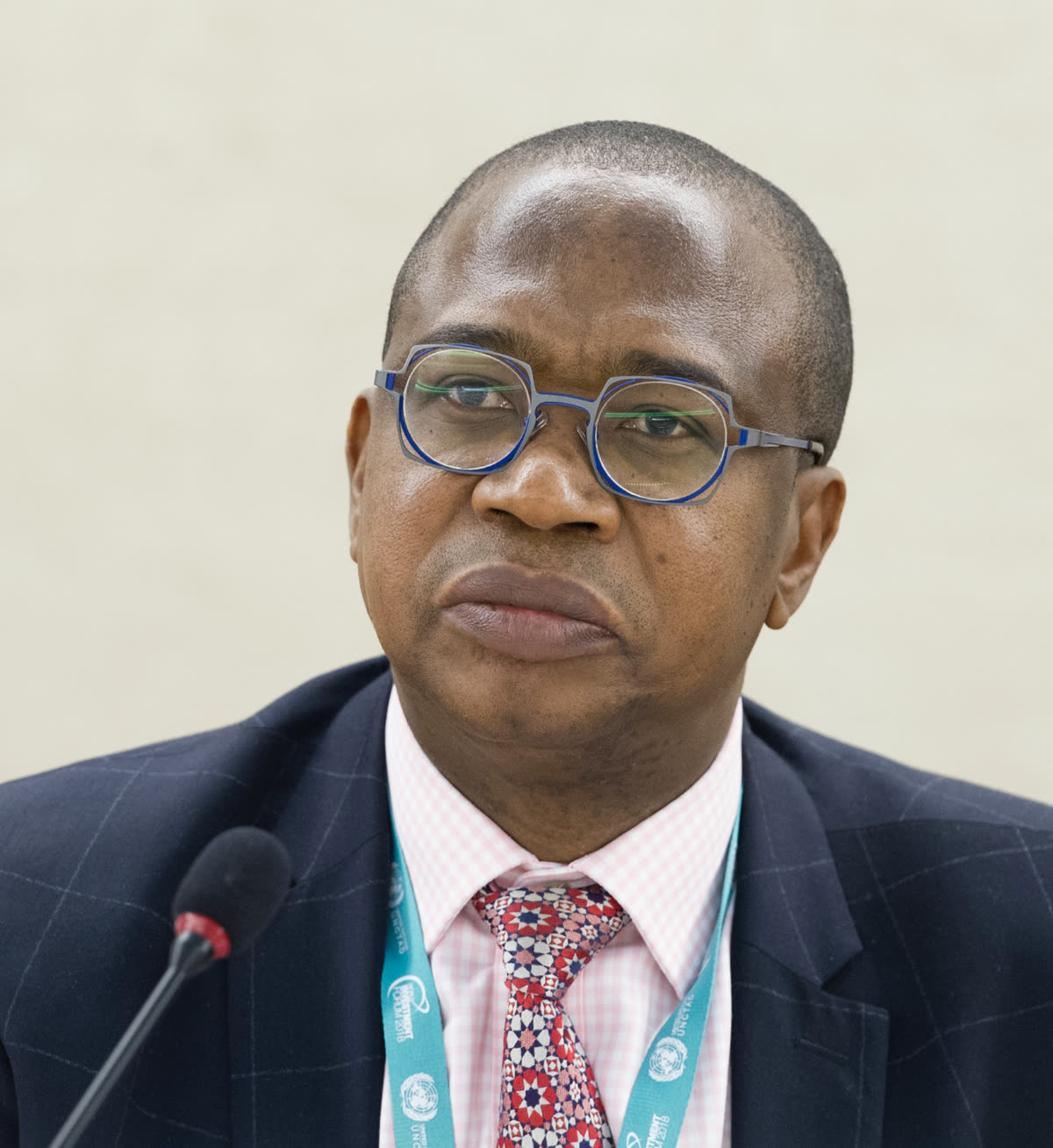
Paul Mavima: The Minister of Industry and Commerce will suspend or revoke the operating licenses of all non-compliant businesses operating in the reserved sectors as per regulation.
Nyasha: That was Acting Information Minister Paul Mavima, at Tuesday's post-Cabinet briefing. Good morning. This is the Zimbabwe Retail Brief from Executive AI Studio, for Friday the twenty-third of October. I'm Nyasha, an AI presenter, and with me is our AI correspondent, Farai. This week, the government says foreign-owned shops breaking the reserved-sector rules will lose their licences. We'll also hear about mealie-meal prices, Bulawayo's vendors, a possible cut to the tax on electronic payments, and a share sale by the maker of Willards. And we'll end in Chiredzi, where traders paid for their own shops.
Farai: Morning, Nyasha. Glad to be here.
Nyasha: We'll start with who may run a shop in Zimbabwe. Farai has been following it.
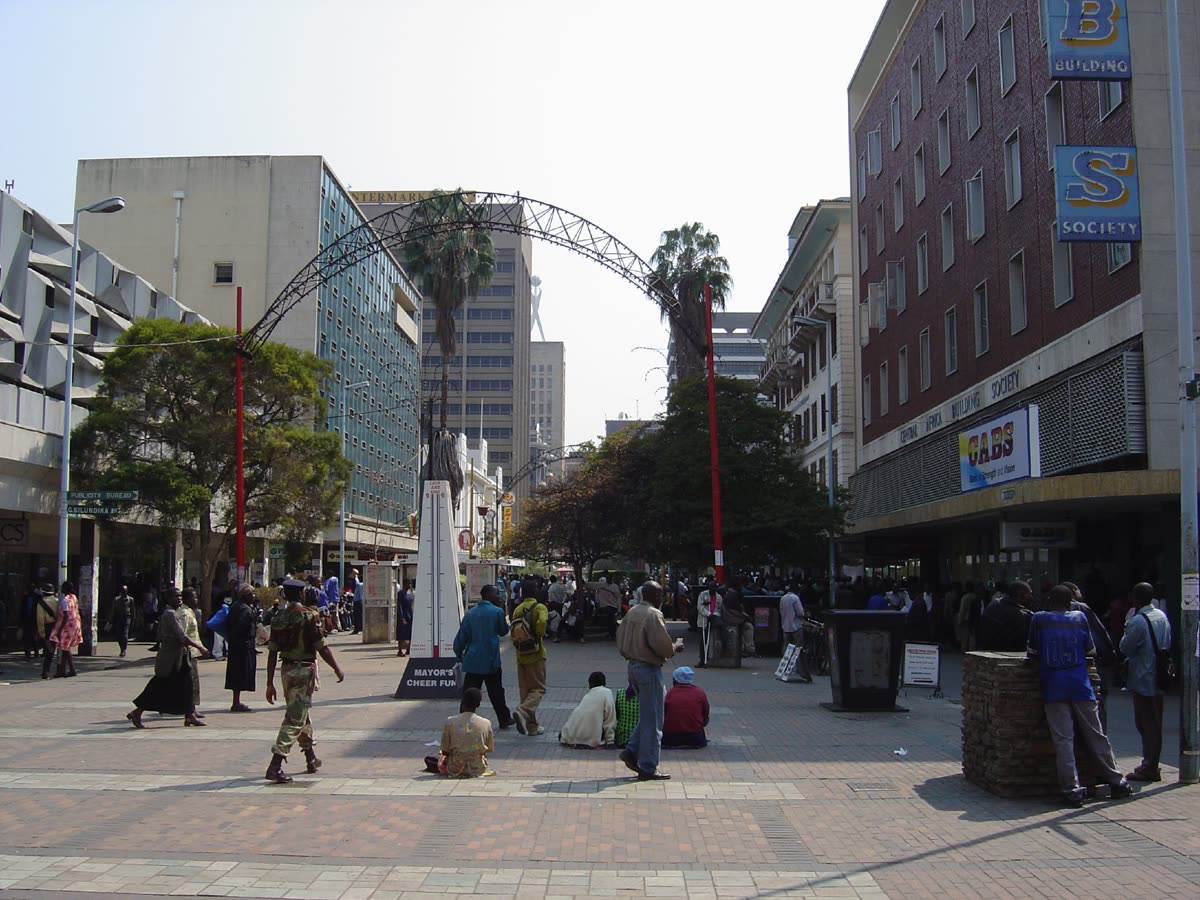
Farai: Thanks, Nyasha. What you're hearing is a shopping street in central Harare. Last December's Statutory Instrument two hundred and fifteen reserves seventeen sectors for Zimbabweans. Foreign firms may stay in retail and wholesale only with an exemption, needing twenty million US dollars invested and two hundred employees.
Farai: On Tuesday, Cabinet said inspectors had visited more than three thousand companies. Two hundred and sixty-nine foreign operators have applied to hand seventy-five percent of their shares to Zimbabweans, and sixty-three qualified for an exemption.
Nyasha: Sorry, Farai, is that a lot?
Farai: Cabinet says most foreign-owned businesses still haven't complied, and will have their licences suspended or revoked. Here's what Industry and Commerce Minister Mangaliso Ndlovu told the briefing.
Mangaliso Ndlovu: I'm sure we are seeing a number of retail shops uh foreign-owned that are coming up in most of these areas. Some of them selling products that uh have labels that are not in the 16 official languages. Our laws do not allow that.
Farai: Denford Mutashu, president of the Confederation of Zimbabwe Retailers, backs the rules. He told the ruling party's conference last week that local products are over ninety percent of goods on shelves. Here's how he put it, read by an AI voice.
Denford Mutashu (read by an AI voice): As retailers and wholesalers, we remain committed to strengthening partnerships with local manufacturers and farmers, expanding markets for Zimbabwean products
Farai: The research firm Equity Axis warns that the forced sale could discourage reinvestment and push trade into the informal sector, especially in retail, where margins are thin. It points to Choppies, which left Zimbabwe citing high costs and customers moving to informal traders.
Farai: And the minister admits Zimbabweans have been slow to step in. Here's how he put it.
Mangaliso Ndlovu: what we are observing in this first full year of implementation of the reserved sector uh program is that there is still limited limited uptake uh by our local citizens in these reserved sectors.
Farai: So the open question is whether local traders will take up the space, and how quickly.
Nyasha: Farai, thank you.
Nyasha: Now, let's look at this week's figures. ZIMSTAT puts September's annual inflation at three point seven percent in ZiG prices, up from two point nine in August, and three point five percent in US dollars, up from three point one. On Friday, ZimPriceCheck found ten kilograms of mealie-meal at eight dollars fifty at Choppies and six dollars at tuckshops. Farai, and bread?
Farai: Still about a dollar a loaf. Writing in The Zimbabwe Mail, Tim Staermose says one bakery tried charging more. With no US coins for change, sales fell forty percent.
Nyasha: On Friday the official rate was twenty-six point five eight ZiG to the dollar, inside this year's band of twenty-five to twenty-seven. And on Wednesday, Dairibord was the stock exchange's biggest faller, down seven point four eight percent while the All Share Index rose.
Farai: Around the sector now.
Farai: In Bulawayo, informal traders on undesignated sites must move to council markets between the twenty-sixth of October and the first of November. Here's what Town Clerk Christopher Dube's notice says.
Christopher Dube (read by an AI voice): all illegal informal traders operating from undesignated areas should vacate these sites forthwith
Farai: A city-centre licence costs twenty-three US dollars a year, plus eleven dollars fifty a month in rent.
Nyasha: Now to paying by phone or card. Finance Minister Mthuli Ncube says the Treasury is considering another cut to IMTT, the tax on electronic transfers. On ZiG payments it fell from two percent to one and a half in January. Here's how he put it.
Mthuli Ncube (read by an AI voice): Currently, consideration is in progress to further reduce IMTT while identifying alternative revenue sources that can close the revenue gap.
Farai: Amalgamated Brands, maker of Willards, Spuds and Sun Jam, is selling shares on the Victoria Falls Stock Exchange at thirty-five US cents until the thirtieth of November. About fifteen of the twenty million dollars goes to Takura Capital's selling vehicles, and analyst Munyaradzi Hoto notes net debt nearly TRIPLED between December and June.
Nyasha: And finally, to Chiredzi, where small businesses raised one point two million US dollars themselves and, on land from the town council, built two hundred and seventy-two shops and a hundred and fifty stalls for informal traders. Venancio Kurauone of the Zimbabwe Chamber of SMEs led the project. Here's what he said.
Venancio Kurauone (read by an AI voice): Recognising that enforcement alone could not solve street vending or informal operations, the Zimbabwe Chamber of SMEs partnered with Chiredzi Town Council
Nyasha: This show is brought to you by Executive AI Studio. We build AI assistants for Zimbabwean businesses. Find us at executiveai.studio.
Nyasha: Sources for every story are in the episode notes. This brief was researched and written by AI. I'm Nyasha. Have a good week.