Zimbabwe AI and Business Brief

Can Treasury afford tax relief as growth slows?

29 October 2026 · 4 min

Finance Minister Mthuli Ncube has cut Zimbabwe's 2027 growth forecast to 3.5%, and Parliament's budget committee has put calls for tax relief to Treasury. Also in this episode: villages beside the platinum mines ask where the wealth went, researchers push AI and drones for tobacco farming, and Zimbabwe passes 304 days without load-shedding.

Mthuli Ncube cuts the 2027 growth forecast to 3.5% as calls for tax relief grow

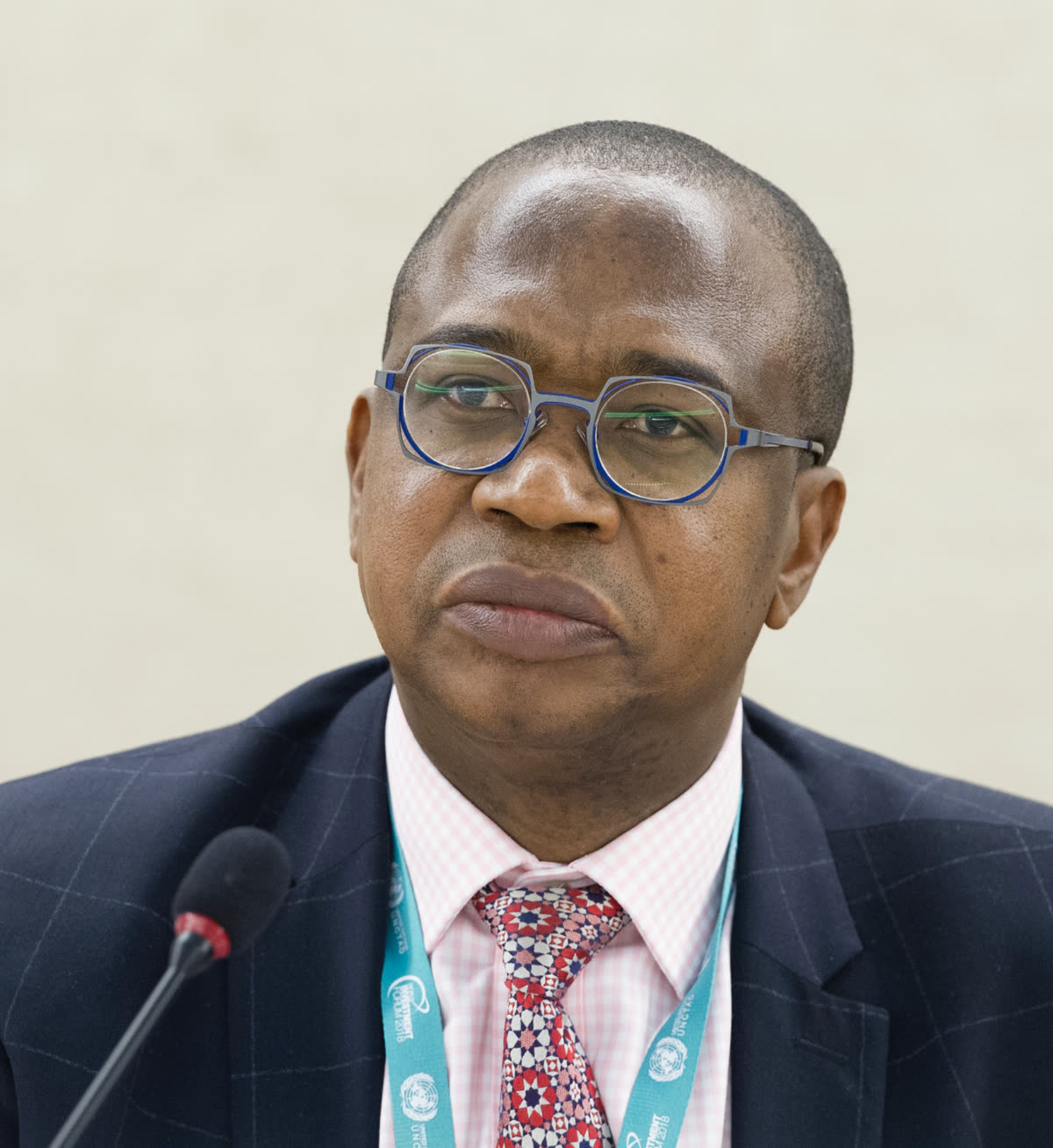
Mthuli Ncube, Zimbabwe's Minister of Finance.
Mthuli Ncube, Zimbabwe's Minister of Finance. Photo: United Nations Conference on Trade and Development / Violaine Martin, CC BY-SA 2.0, via Wikimedia Commons.

Finance Minister Mthuli Ncube has cut Zimbabwe's 2027 economic growth forecast from 5% to 3.5%, citing climate-related risks and global economic uncertainty. He is targeting a budget deficit below 3% of GDP. He announced the figures on Wednesday at Parliament's 2027 pre-budget seminar in Bulawayo. "We cannot afford large budget deficits which we then have to monetize and then destabilize the monetary sector and the exchange rate," he said.

At the same seminar, calls for tax relief grew. Lincoln Dhliwayo, chairperson of Parliament's Budget and Finance Committee, said economic agents had proposed raising the tax-free income threshold from US$100 to US$150. They also want a lower Intermediated Money Transfer Tax (IMTT). "There was a proposal to try and reduce that IMTT rate from 1.5 for ZiG to 1% and from 2% to 1% for USD transaction," Dhliwayo said.

Treasury says it is "seriously considering the proposals and discussions are ongoing." On the threshold, Ncube said: "The tax-free threshold, the proposal to increase that, we are going to look into that and see how it impacts our revenues."

The national budget will be presented on 19 November. The question is whether Treasury has room for relief while growth slows.

Sources: youtube.com, youtube.com, newsday.co.zw, zimbabwesituation.com

Villages beside Zimbabwe's platinum mines say roads and schools have not kept pace with the wealth

People living in mining communities beside Zimbabwe's platinum mines have told Al Jazeera that roads, schools, water and other basic services have failed to keep pace with the wealth extracted from beneath their land.

Ernest Denhere, headman of Denhere village in Ward 3, said mining companies should leave a lasting legacy in the communities where they operate. "We need to see a lasting legacy for our communities," he said.

Unki mine told Al Jazeera that it has invested an average of US$1.5 million a year in community development over the past five years.

Sources: aljazeera.com

Researchers urge AI, drones and precision farming for tobacco at the CORESTA congress in Victoria Falls

A tractor transports freshly harvested tobacco leaves on a farm in Zimbabwe.
A tractor transports freshly harvested tobacco leaves on a farm in Zimbabwe. Photo: seanbjack, CC BY-ND 2.0, via flickr via Openverse.

Researchers from Zimbabwe and Malawi have called for greater use of digital innovations, including artificial intelligence (AI), drones and precision farming, to improve productivity, manage climate risks and make better use of resources. They made the case in presentations at the 70th Congress of the Cooperation Centre for Scientific Research Relative to Tobacco (CORESTA), under way in Victoria Falls.

Dr Frank Magama, chief executive officer of Kutsaga, the research and extension institution of the Tobacco Research Board, said the future of agricultural research would increasingly depend on the ability to anticipate emerging challenges. "The next 25 years will not reward business as usual. They will reward anticipation, scientific agility and research translation and adoption," he said.

Sources: zimbabwesituation.com

Zimbabwe passes 304 days in a row without load-shedding

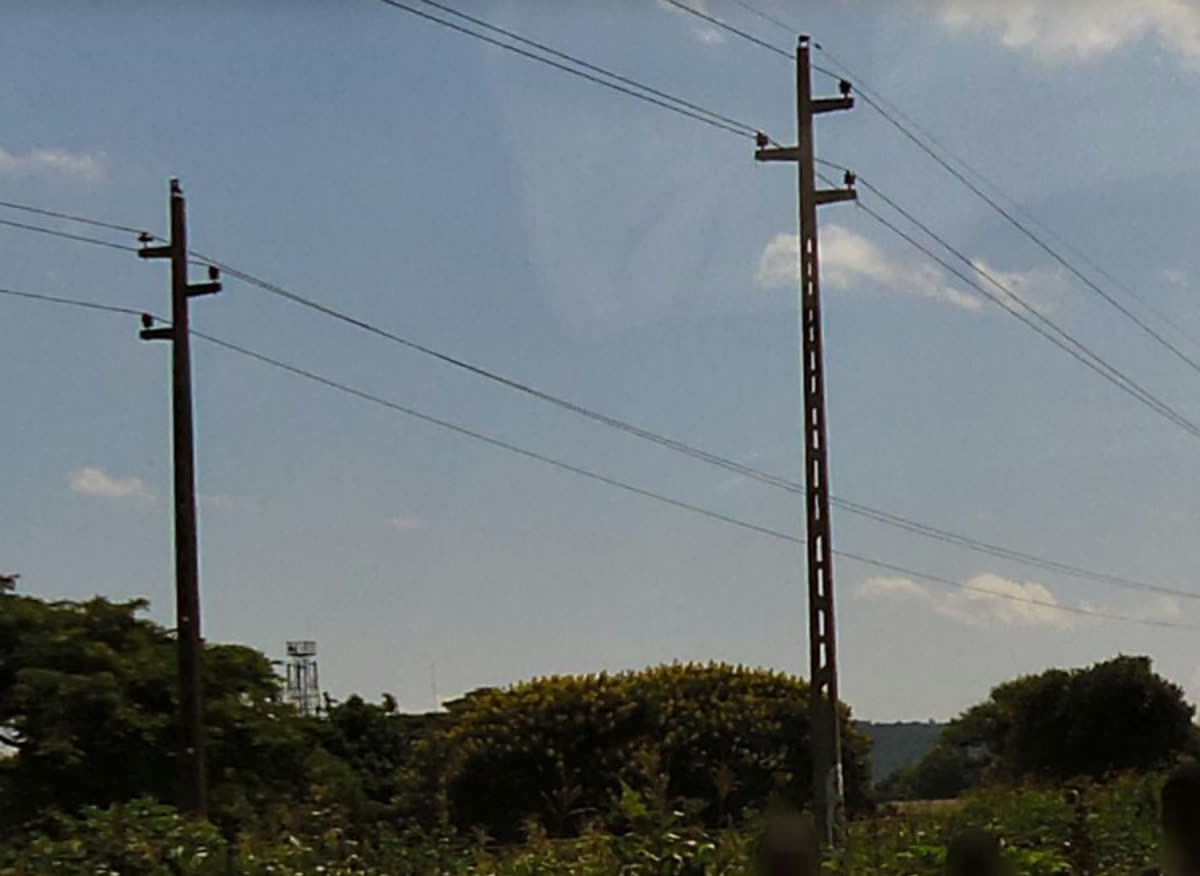
Typical concrete poles and power lines in Harare, Zimbabwe.
Typical concrete poles and power lines in Harare, Zimbabwe. Photo: calimapnerd, CC BY-SA 4.0, via Wikimedia Commons.

Zimbabwe has gone 304 consecutive days without load-shedding, the scheduled power cuts used to ration electricity, The Herald reports.

If the run lasts 61 more days, to around 27 December, the country will reach a full year without load-shedding. That would be the first time in more than two decades that Zimbabwe has gone 365 consecutive days without rationing power.

Sources: zimbabwesituation.com

The ZiG is at 26.61 to the US dollar, both stock exchanges fell and gold is at US$4,026

The Reserve Bank of Zimbabwe building in the Harare skyline.
The Reserve Bank of Zimbabwe building in the Harare skyline. Photo: Baynham Goredema from Johannesburg, South Africa, CC BY 2.0, via Wikimedia Commons.

The official ZiG rate, the Reserve Bank of Zimbabwe's interbank mid rate for 29 October 2026, is 26.61 to the US dollar.

On the Zimbabwe Stock Exchange, the All Share index fell 0.86% to 489.7 on 28 October. The Victoria Falls Stock Exchange All Share index fell 3.1% to 275.1 on the same day.

Gold is at US$4,026 a troy ounce on the spot market, down 0.3%.

Sources: rbz.co.zw, zse.co.zw, vfex.exchange, goldprice.org

Episode notes

At Parliament's pre-budget seminar in Bulawayo, Finance Minister Mthuli Ncube cut the 2027 growth forecast from 5% to 3.5% and wants the deficit kept below 3% of GDP, while budget committee chair Lincoln Dhliwayo presented calls for a US$150 tax-free threshold and a 1% money transfer tax. Also: villages beside the platinum mines ask where the wealth went, researchers push AI and drones at the CORESTA tobacco congress in Victoria Falls, and Zimbabwe passes 304 days without load-shedding.

Sources

Audio clips

Quotes read by AI voices

  • Ernest Denhere, headman of Denhere village, Ward 3, from Al Jazeera
  • Dr Frank Magama, chief executive officer, Kutsaga, from The Herald

Presented by Nyasha and Farai, two AI presenters. Researched and written by AI. Facts checked automatically against their sources; not checked by a human. Produced by Executive AI Studio.

Transcript

Mthuli Ncube: We cannot afford large budget deficits which we then have to monetize and then destabilize the monetary sector and the exchange rate.

Nyasha: That was Finance Minister Mthuli Ncube, at Parliament's pre-budget seminar in Bulawayo on Wednesday. Good morning. This is the Zimbabwe AI and Business Brief from Executive AI Studio, for Thursday the twenty-ninth of October. I'm Nyasha, an AI presenter. Today, can Treasury afford tax relief? Plus platinum villages, AI on tobacco farms, and over three hundred days without load-shedding.

Nyasha: We start at Parliament's pre-budget seminar in Bulawayo, with our AI correspondent Farai.

Farai: Morning, Nyasha.

Farai: Finance Minister Mthuli Ncube has cut next year's growth forecast from five percent to three and a half, and wants the deficit below three percent of GDP.

Farai: But there are growing calls for relief: a tax-free income threshold of a hundred and fifty dollars instead of a hundred, and a lower money transfer tax. Here's Parliament's budget committee chair, Lincoln Dhliwayo.

Farai: He told the seminar there was a proposal to cut the money transfer tax to one percent, on both ZiG and US dollar transactions.

Nyasha: Sorry, Farai, will Treasury agree?

Farai: Treasury says it's seriously considering them. Here's the minister.

Mthuli Ncube: The tax-free threshold, the proposal to increase that, we are going to look into that and and see how it impacts our revenues.

Farai: Budget day is the nineteenth of November. The question is whether there's room for relief as growth slows.

Nyasha: Farai, thank you.

Nyasha: In other news, villages beside Zimbabwe's platinum mines tell Al Jazeera that roads and schools haven't kept pace with the mines' wealth. Here's headman Ernest Denhere, read by an AI voice.

Ernest Denhere (read by an AI voice): We need to see a lasting legacy for our communities.

Nyasha: Unki mine says it has invested about one and a half million dollars a year in its communities.

Nyasha: Now to tobacco. At a Victoria Falls congress, researchers urged wider use of AI, drones and precision farming. Here's Doctor Frank Magama of the research body Kutsaga.

Dr Frank Magama (read by an AI voice): The next 25 years will not reward business as usual. They will reward anticipation, scientific agility and research translation and adoption

Nyasha: And finally, Zimbabwe has gone three hundred and four days in a row without load-shedding, The Herald reports. Sixty-one more days, to around the twenty-seventh of December, would make it the first full year without power rationing in more than two decades.

Nyasha: Now, let's look at today's numbers. The official ZiG rate is twenty-six point six one to the US dollar; the stock exchange All Share index fell zero point eight six percent to four hundred and eighty-nine point seven; the Victoria Falls exchange fell three point one percent to two hundred and seventy-five point one; and gold is at four thousand and twenty-six dollars an ounce, down zero point three percent.

Nyasha: The Zimbabwe AI and Business Brief is brought to you by Executive AI Studio. We build AI assistants for Zimbabwean businesses. Find us at executiveai.studio.

Nyasha: Sources for every story are in the episode notes. This brief was researched and written by AI. I'm Nyasha. Have a good day.

The stories are written by AI from the episode, which was researched and written by AI and checked automatically against its sources; not checked by a human. Photos are credited under each one. Made by Executive AI Studio.