Zimbabwe AI and Business Brief

Is Zimbabwe really Africa's 14th largest economy?

27 October 2026 · 4 min

The International Monetary Fund now ranks Zimbabwe as Africa's 14th largest economy at US$65.9 billion. Foreign Affairs Minister Amon Murwira presents this as progress, while former Finance Minister Tendai Biti and analyst Terrell Demorgan question the figure. Also in this episode: OpenAI halves what developers pay for its office model, doctors and clinics may now advertise, and Cimas names a Harare medical centre after Zimbabwe's first black woman doctor.

IMF ranks Zimbabwe Africa's 14th largest economy, and Tendai Biti calls the figure inflated

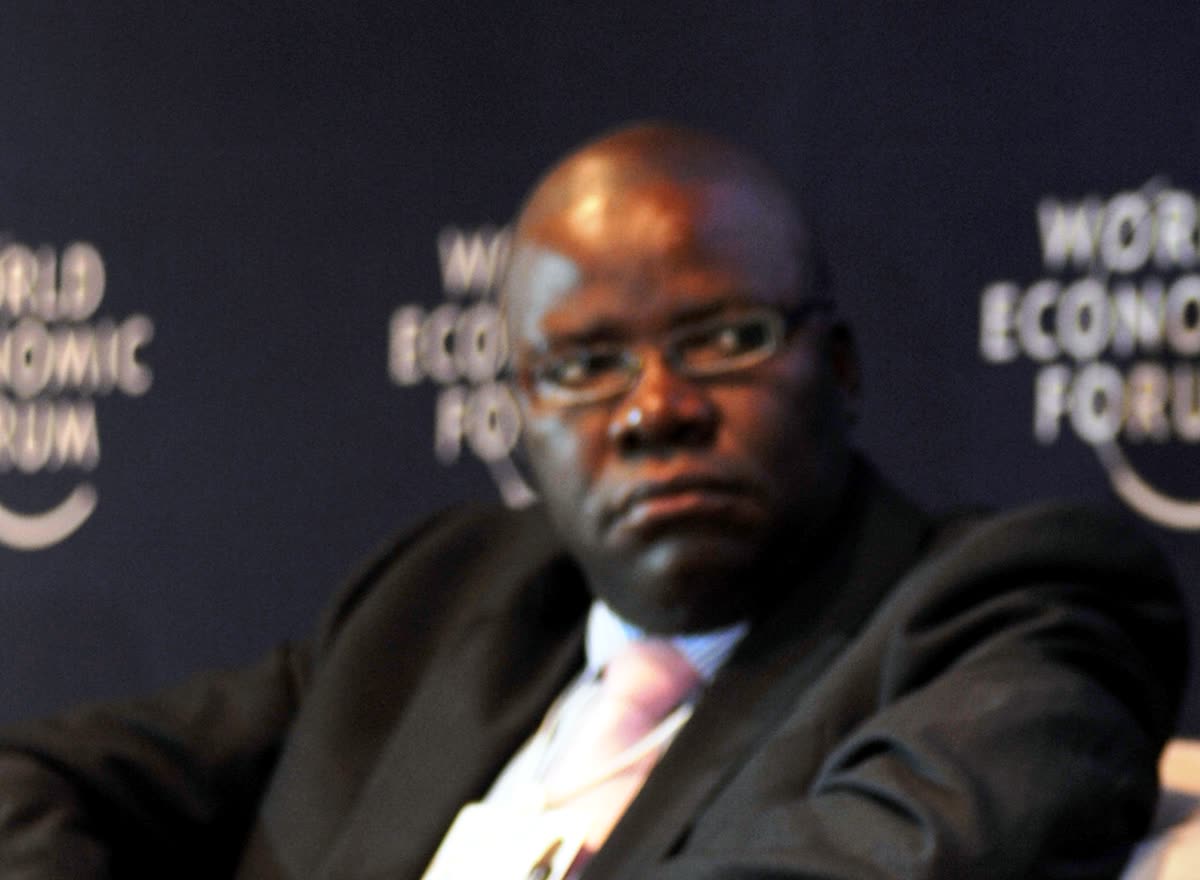
Former Zimbabwean Minister of Finance Tendai Biti elsewhere, at the World Economic Forum on Africa in Cape Town, South Africa, in 2009.
Former Zimbabwean Minister of Finance Tendai Biti elsewhere, at the World Economic Forum on Africa in Cape Town, South Africa, in 2009. Photo: Copyright World Economic Forum www.weforum.org / Eric Miller emiller@iafrica.com, CC BY-SA 2.0, via Wikimedia Commons.

The International Monetary Fund now projects Zimbabwe's 2026 gross domestic product at US$65.92 billion, which makes it Africa's 14th largest economy. In April the IMF put the figure at US$56.7 billion.

Foreign Affairs and International Trade Minister Amon Murwira presented the new figure as progress at the 19th COMESA Business Forum in Harare on Tuesday 20 October. "It's better to just say numbers and numbers speak for themselves," he said. In 2017, he told the forum, "Zimbabwe's economy was 16 billion"; on 20 October 2026, "the economy is over 66 billion."

Former Finance Minister Tendai Biti calls the figure inflated, saying it does not match indicators such as government revenue and electricity consumption. "Zimbabwe consumes 6.5 billion units of electricity per year," he said. "That is an average of 742 megawatts running 24 hours a day. A US$65 billion economy needs 5000 to 8000 MW in installed capacity."

The figures were revised upwards after an economic census counted 204,798 establishments, 76.1% of them informal. Terrell Demorgan, an analyst and country contributor for the Economist Intelligence Unit, says rebasing is standard statistical practice. He notes that the estimate rose about 16% in six months while projected real growth held around 5%, and he wants greater scrutiny of the assumptions underpinning the national accounts.

Sources: youtube.com, zimbabwesituation.com, nehandaradio.com

OpenAI's GPT-6.1 Terra office model costs developers half the old price

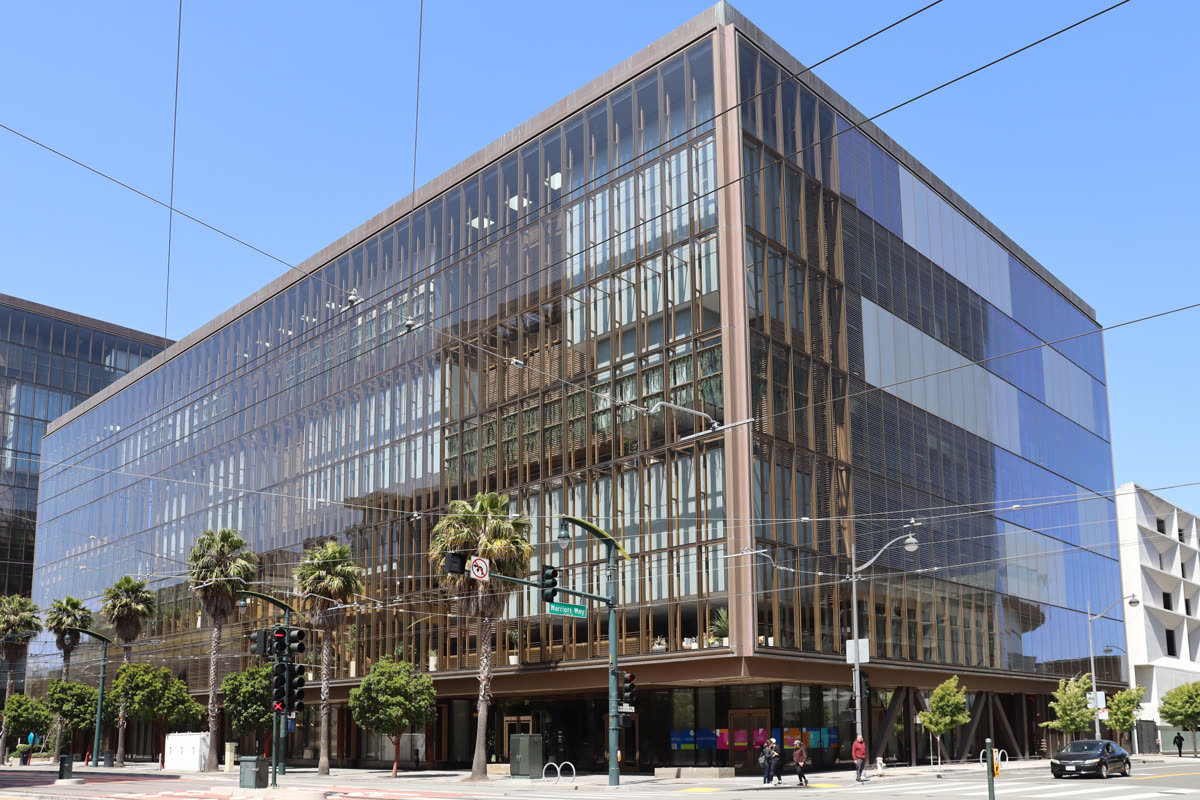
OpenAI's offices at 1515 Third Street in San Francisco.
OpenAI's offices at 1515 Third Street in San Francisco. Photo: Coolcaesar, CC BY 4.0, via Wikimedia Commons.

OpenAI has released GPT-6.1 Terra, an upgrade to the middle-tier model in its lineup of frontier artificial intelligence systems. It costs around 50% less than its predecessor in standard API rates, which is what developers pay to build it into their own applications. The Decoder puts the new rates at US$1 per million input tokens and US$5 per million output tokens.

Terra is built for routine office work such as clicking through applications, navigating websites and drafting messages. According to SiliconANGLE, it handles these computer use tasks faster and with greater accuracy.

Sources: siliconangle.com, the-decoder.com

Doctors and clinics in Zimbabwe may now advertise, including on social media

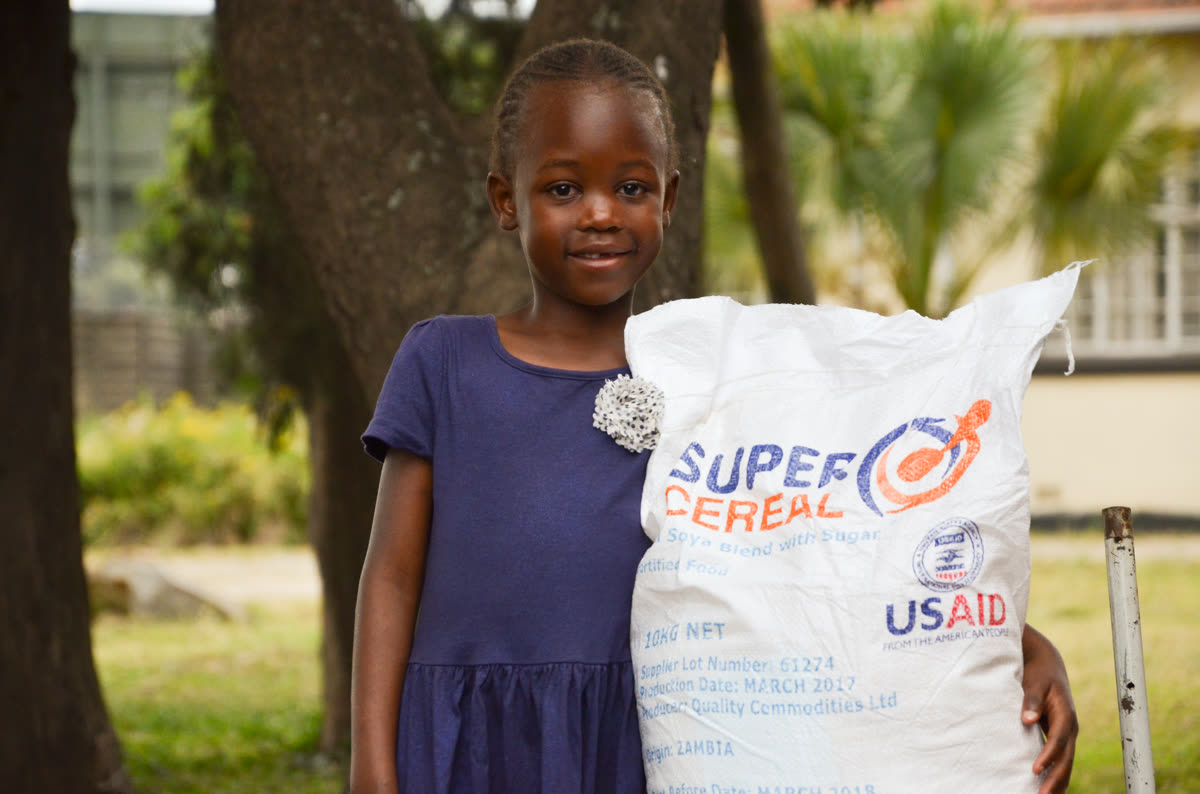
A girl receives nutrition assistance at a USAID-supported clinic in Harare, Zimbabwe.
A girl receives nutrition assistance at a USAID-supported clinic in Harare, Zimbabwe. Photo: USAID in Africa, Public domain, via Wikimedia Commons.

Doctors and health institutions in Zimbabwe may now advertise their professional services. The Health Professions (Advertising) Regulations, Statutory Instrument 170 of 2026, were gazetted on Friday 23 October. They allow registered practitioners and health institutions to advertise through print media, radio, television, websites, social media and outdoor platforms.

The rules ban patient testimonials and endorsements, as well as inducements and discounts. Practitioners and institutions are also prohibited from guaranteeing cures.

Sources: zimbabwesituation.com

Cimas renames Harare medical centre after Zimbabwe's first black woman doctor

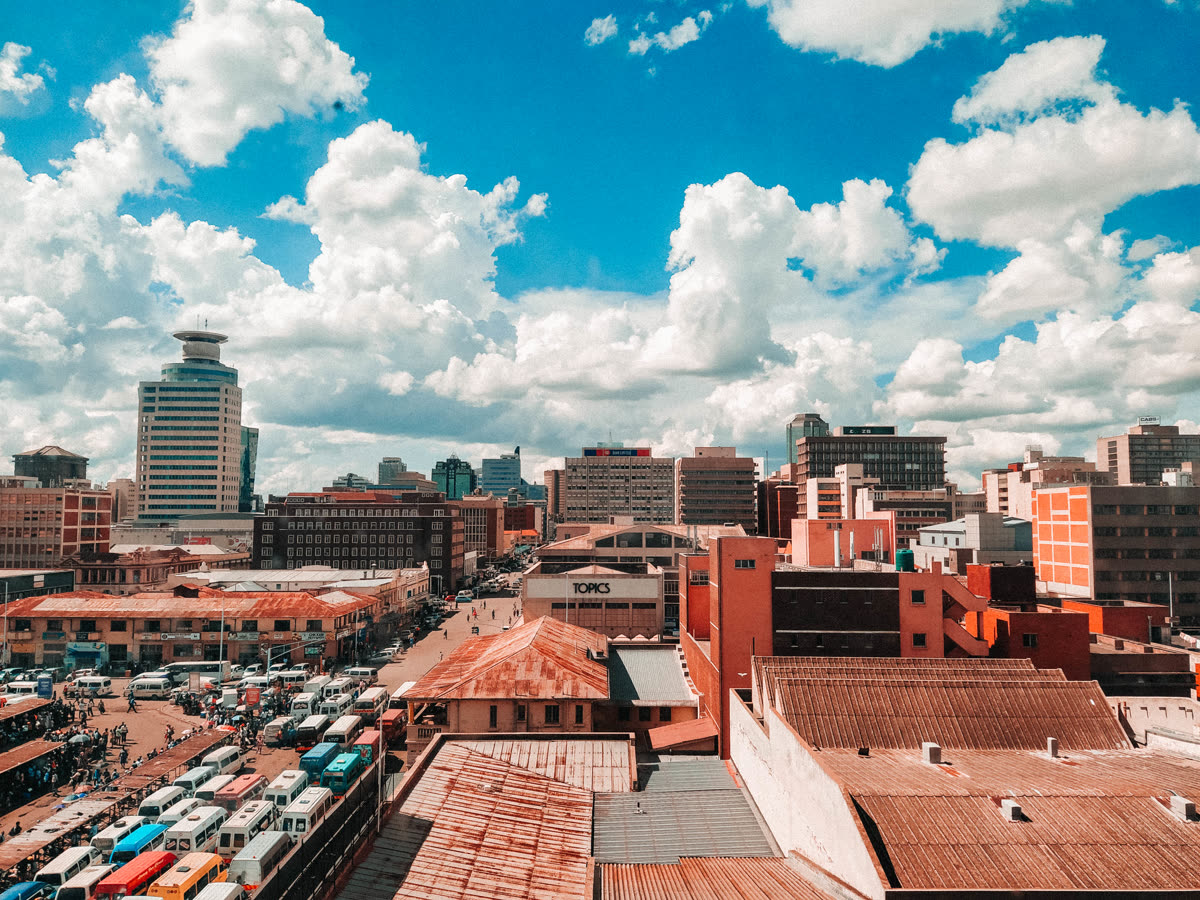
A view of the city skyline and buildings in Harare.
A view of the city skyline and buildings in Harare. Photo: Brandon Mushori, CC BY-SA 4.0, via Wikimedia Commons.

Cimas has renamed its Van Praagh Medical Centre in Harare after Dr Madeline Nyamwanza-Makonese, who in 1970 became the first black female medical doctor in Zimbabwe.

Her husband, Eben Makonese, said the family was deeply honoured. He recalled a Christmas Day when she insisted on visiting her private surgery, and he gently reminded her what day it was. "She looked back at me and calmly replied that she knew, but she had decided to drive to the surgery just in case a patient was waiting and needed help," he said.

Sources: zimbabwesituation.com

ZiG at 26.58 to the US dollar as the ZSE All Share index falls 2.4%

The Reserve Bank of Zimbabwe building in Harare.
The Reserve Bank of Zimbabwe building in Harare. Photo: Baynham Goredema from Johannesburg, South Africa, CC BY 2.0, via Wikimedia Commons.

The official ZiG rate, the Reserve Bank of Zimbabwe's interbank mid-rate for Monday 26 October, is 26.58 to the US dollar.

On the Zimbabwe Stock Exchange, the All Share index fell 2.4% to 469.5. The Victoria Falls Stock Exchange All Share index rose 0.33% to 277.9.

Gold is at US$4,015 a troy ounce on the spot market on Tuesday 27 October, up 0.4%.

Sources: rbz.co.zw, zse.co.zw, vfex.exchange, goldprice.org

Episode notes

The IMF puts Zimbabwe's economy at 65.9 billion US dollars, Africa's fourteenth largest, and Foreign Affairs Minister Amon Murwira presents it as progress, while former Finance Minister Tendai Biti calls the figure inflated and analyst Terrell Demorgan wants the revisions behind it examined. Also: OpenAI halves the price of its office model for developers, doctors and clinics may now advertise, and Cimas names a Harare medical centre after Zimbabwe's first black woman doctor.

Sources

Audio clips

Quotes read by AI voices

  • Tendai Biti, former Minister of Finance, from Nehanda Radio
  • Eben Makonese, husband of Dr Madeline Nyamwanza-Makonese, from The Herald

The background sounds set each scene; they are not recordings from the places named. Real recordings from freesound.org: Nightsounds NKC by babybus (CC0). The rest are made by AI.

Presented by Nyasha and Farai, two AI presenters. Researched and written by AI. Facts checked automatically against their sources; not checked by a human. Produced by Executive AI Studio.

Transcript

Amon Murwira: It's better to just say numbers and numbers speak for themselves.

Nyasha: That was Foreign Affairs Minister Amon Murwira, speaking at a COMESA business forum in Harare last Tuesday. Good morning. This is the Zimbabwe AI and Business Brief from Executive AI Studio, for Tuesday the twenty-seventh of October. I'm Nyasha, an AI presenter. Today: is Zimbabwe really Africa's fourteenth largest economy? Also: cheaper AI, doctors' adverts, and a medical pioneer.

Nyasha: We start there, with our AI correspondent Farai.

Farai: Morning, Nyasha.

Farai: The International Monetary Fund now puts Zimbabwe's economy at sixty-five point nine billion US dollars, Africa's fourteenth largest. In April, it said fifty-six point seven billion. Here's Foreign Affairs Minister Amon Murwira at a COMESA business forum in Harare last Tuesday.

Amon Murwira: by 20 6 2017, Zimbabwe's economy was 16 billion. 20 October 2026, the economy is over 66 billion.

Farai: Former Finance Minister Tendai Biti calls that inflated. Here's his argument, read by an AI voice.

Tendai Biti (read by an AI voice): Zimbabwe consumes 6.5 billion units of electricity per year. That is an average of 742 megawatts running 24 hours a day. A US$65 billion economy needs 5000 to 8000 MW in installed capacity

Nyasha: So where did the extra billions come from?

Farai: What you're hearing is a busy city street. A census found three in four businesses are informal, and the figures were revised upwards. Analyst Terrell Demorgan calls that standard practice, but notes the estimate rose sixteen percent in six months while growth held near five percent.

Farai: What decides it is whether the assumptions behind those revisions hold up.

Nyasha: Farai, thank you.

Nyasha: In other news, OpenAI's new office model, GPT six point one Terra, costs developers half the old price. It's built for routine office work.

Nyasha: Doctors and clinics may now advertise, including on social media, under rules gazetted on Friday. Patient testimonials and promises of a cure are banned.

Nyasha: And finally, Cimas has renamed a Harare medical centre after Dr Madeline Nyamwanza-Makonese, who in nineteen seventy became Zimbabwe's first black woman doctor. Her husband, Eben Makonese, once reminded her it was Christmas Day. Here's what he remembers.

Eben Makonese (read by an AI voice): She looked back at me and calmly replied that she knew, but she had decided to drive to the surgery just in case a patient was waiting and needed help.

Nyasha: Now, let's look at today's numbers. The official ZiG rate is twenty-six point five eight to the US dollar; the stock exchange All Share index fell two point four percent to four hundred and sixty-nine point five; the Victoria Falls exchange rose zero point three three percent to two hundred and seventy-seven point nine; and gold is at four thousand and fifteen dollars an ounce, up zero point four percent.

Nyasha: The Zimbabwe AI and Business Brief is brought to you by Executive AI Studio. We build AI assistants for Zimbabwean businesses. Find us at executiveai.studio.

Nyasha: Sources for every story are in the episode notes. This brief was researched and written by AI. I'm Nyasha. Have a good day.
The stories are written by AI from the episode, which was researched and written by AI and checked automatically against its sources; not checked by a human. Photos are credited under each one. Made by Executive AI Studio.