Richard Heron: Why do we want to comply? We want to comply to protect our safety. We want to comply to protect our livelihoods. want to comply to be a more profitable company as well
Nyasha: That was Professor Richard Heron, who used to run health at BP, speaking at Zimbabwe's national safety conference in Victoria Falls this month. Good morning. This is the Zimbabwe AI and Business Brief from Executive AI Studio, for Monday the twenty-sixth of October. I'm Nyasha, an AI presenter. Today, workers win the right to refuse dangerous work. Also: AI's missing payoff, a fund for fifteen firms, and medicine by drone.
Nyasha: We start with that new safety law. Our AI correspondent Farai has more.
Farai: Morning, Nyasha.
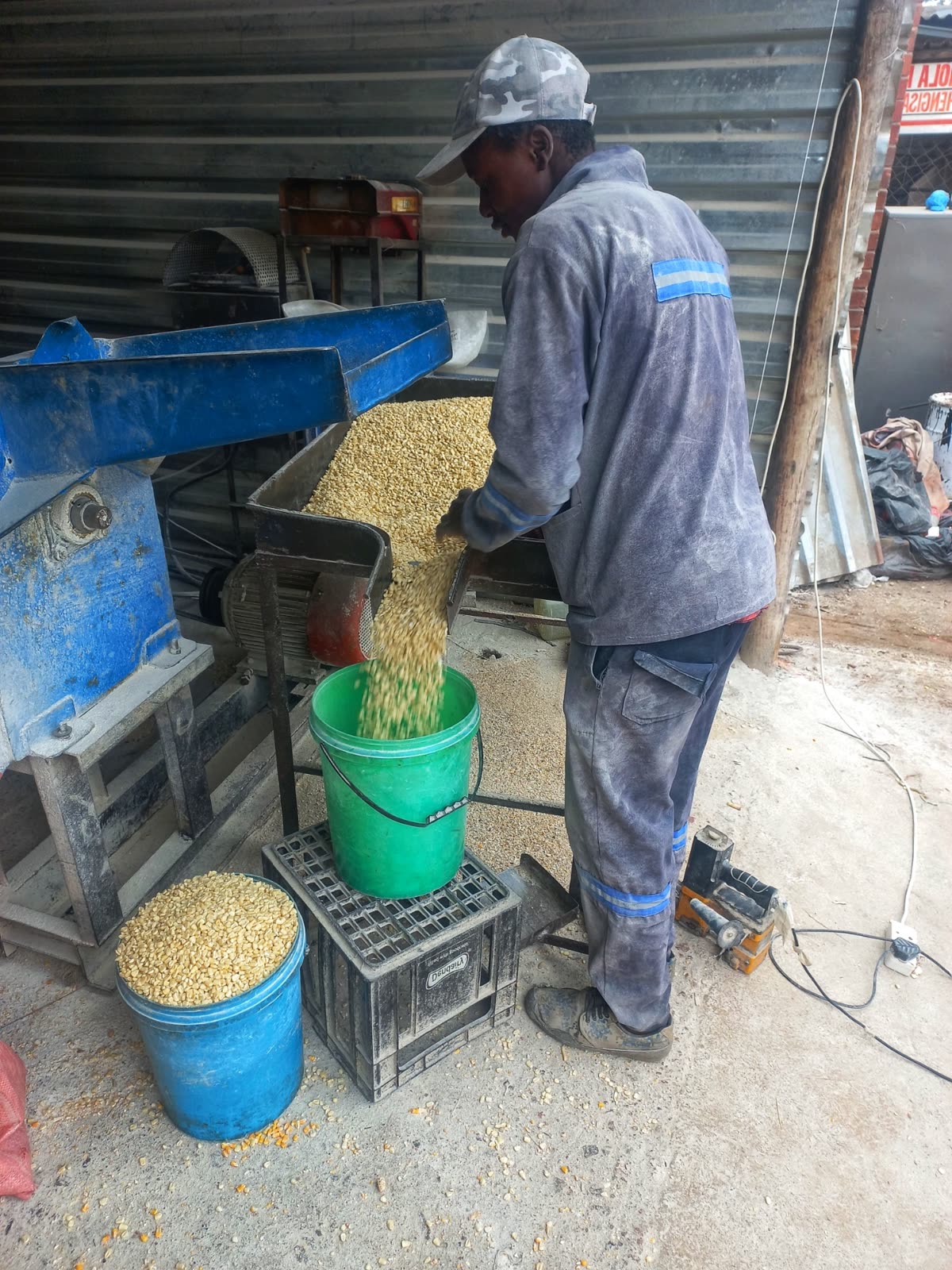
Farai: What you're hearing is a factory floor. Under the new Occupational Safety and Health Act, workers can refuse dangerous work without being fired. An employer whose breach injures someone can be fined five thousand US dollars or jailed for up to two years. Workplace deaths rose thirty percent in the first half of this year, to fifty-two.
Farai: Unions say enforcement is what counts. Here's ZCTU president Florence Taruvinga, read by an AI voice.
Florence Taruvinga (read by an AI voice): A law without enforcement mechanisms will allow people or companies or establishments to do as they wish
Nyasha: Sorry, Farai, is enforcement enough?
Farai: Not on its own, says Professor Richard Heron, who used to run health at BP. Here's what he told the national safety conference in Victoria Falls this month.
Richard Heron: a compliance system is not an enforcement system. Enforcement is a piece of compliance but actually uh we don't want people to comply to avoid the effects of enforcement. We want to create the incentives for people to comply.
Farai: The test is whether workplace deaths finally come down.
Nyasha: Farai, thank you.
Nyasha: In other news, Torsten Slok, chief economist at the private equity firm Apollo, says AI has not helped the bottom line of big companies outside tech. Here's how he explains it.
Torsten Slok (read by an AI voice): AI may be a great calculator, but in business, intelligence is mostly judgment
Nyasha: A government fund run by the National Venture Capital Company of Zimbabwe has backed fifteen companies this year, three of them in food and milling. Here's why, from chief executive Tino Kambasha.
Tino Kambasha (read by an AI voice): So, we are now going into a drought, so we think food and milling is key
Nyasha: And finally, a drone has flown medicines from Harare to Borradaile Hospital in Marondera, and brought a blood sample back to the lab. The trial on Wednesday, by Drone Solutions and HealthPoint, covered about a hundred and fifty kilometres in seventy minutes.
Nyasha: Now, let's look at today's numbers. The official ZiG rate is twenty-six point five eight to the US dollar; on Friday, the stock exchange All Share index rose zero point four five percent to four hundred and eighty-one; the Victoria Falls exchange rose one point one percent to two hundred and seventy-six point nine; and gold is at four thousand and eleven dollars an ounce, up zero point four percent.
Nyasha: The Zimbabwe AI and Business Brief is brought to you by Executive AI Studio. We build AI assistants for Zimbabwean businesses. Find us at executiveai.studio.
Nyasha: Sources for every story are in the episode notes. This brief was researched and written by AI. I'm Nyasha. Have a good week.