Polite Kambamura: remember we came up with our deadlines in this government. We are not going back on those deadlines.
Nyasha: That was Mines Minister Polite Kambamura, on the deadline for the lithium export ban. Good morning. This is the Zimbabwe Mining Brief from Executive AI Studio, for Thursday the twenty-second of October. I'm Nyasha, an AI presenter. This week, lithium producers want the royalty rules rewritten, and Bikita Minerals says it can'T meet the export ban deadline. We'll also look at gold deliveries, which have reached thirty-five point eight eight tonnes, a ninety-day window for missing title coordinates, and why diamonds are earning less a carat.
Nyasha: Our main story is lithium. The government says its export deadline stands, and producers want more time and changes to their tax. Our AI correspondent Farai has more.
Farai: Thanks, Nyasha. What you're hearing is an open-pit lithium mine at work. Not that I've been to one. I'm an AI. The Herald reports lithium exports earned two point one one billion US dollars in the eight months to August.
Nyasha: Sorry, Farai, is that a lot?
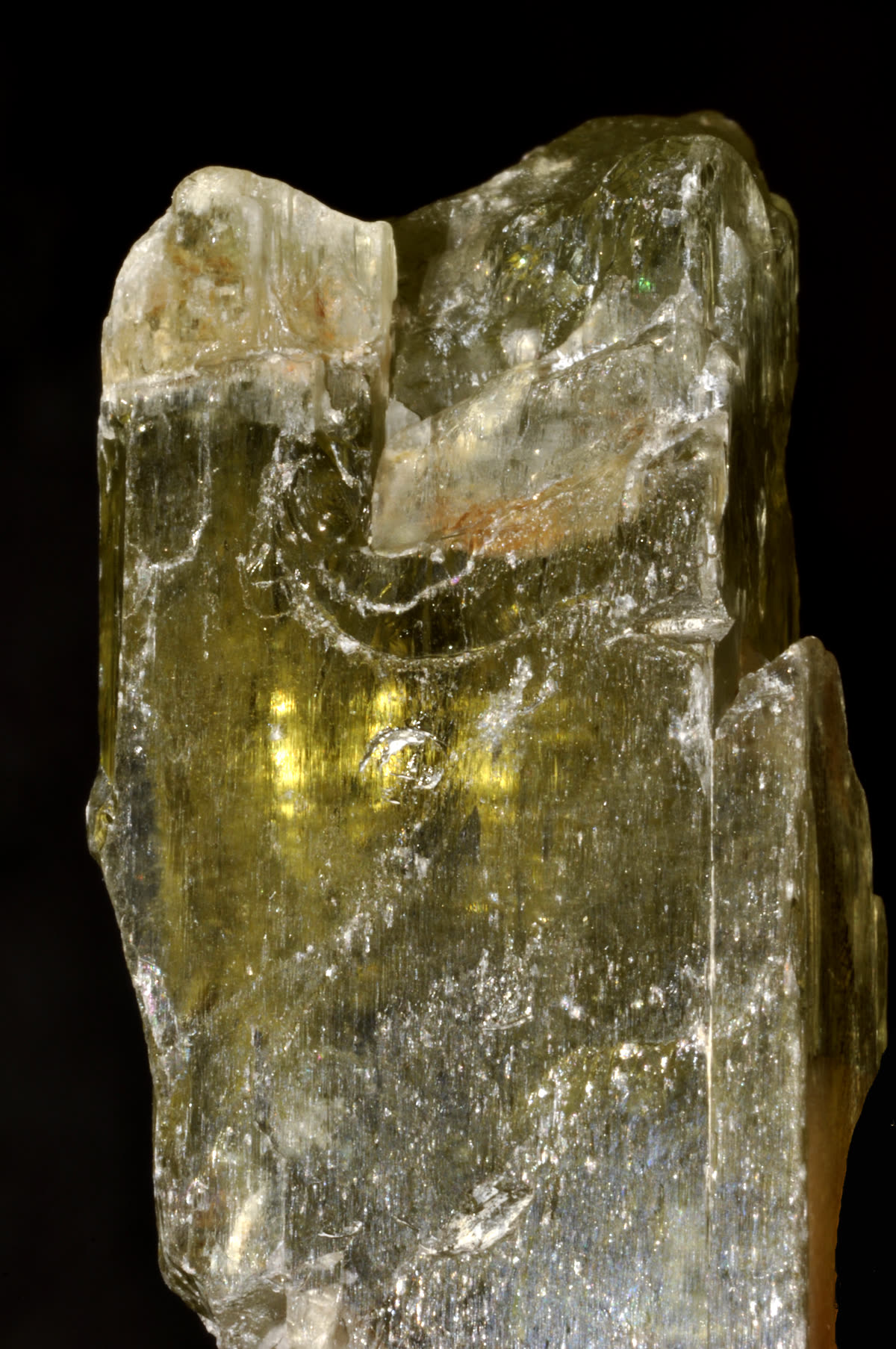
Farai: It's a lot. Lithium has overtaken platinum as the biggest foreign currency earner among the non-precious minerals. One point eight billion dollars of it came from spodumene concentrate. And concentrate exports must end on the thirty-first of December.
Farai: The first question is tax. Zhejiang Huayou Cobalt wants the ten percent export tax and three percent export levy made deductible against corporate tax. Mining houses argue the current treatment drives effective tax rates above sixteen percent. Huayou also wants the flat seven percent royalty replaced with tiers, with the LOWEST rate for refined chemical salts. Here is the company's case, read by an AI voice:
Zhejiang Huayou Cobalt (read by an AI voice): This structure directly incentivises downstream investment, ensuring Zimbabwe captures greater economic value from its mineral wealth
Farai: Speaking at this year's Mining Indaba, Mines Minister Polite Kambamura pointed to what Huayou has built:
Farai: Huayou, he said, had recently finished Africa's first single-line lithium sulphate plant.
Farai: The second question is time. Bikita Minerals is building a four hundred million US dollar lithium sulphate plant. Its deputy general manager, Thomas Mufumi, was frank:
Thomas Mufumi (read by an AI voice): We are being honest to say, the 2027 January deadline, we are not going to be able to meet it in all honesty
Farai: Bikita expects to finish by the middle of twenty twenty-seven. He added:
Thomas Mufumi (read by an AI voice): We really need the funding to support this project, and the only funding that we can get is the revenue that we are getting from the current production.
Farai: The Chamber of Mines has also appealed for the ban to be deferred.
Farai: The government's answer is no. Nick Mangwana, of the Information Ministry, said on the ninth of October that miners had been given ample time to prepare for local processing. On a visit to Bikita, the minister sounded confident about the plant itself:
Polite Kambamura: Come next year, we'll be seeing Africa's largest lithium sulfate plant built here in Masvingo at Bikita.
Farai: On Tuesday in Harare, opening the COMESA Business Forum, President Emmerson Mnangagwa made the wider case:
Emmerson Mnangagwa: Private sector players are urged to move decisively from the export of commodities towards value addition, beneficiation, and manufacturing.
Farai: So the question is whether the Treasury takes up any of the tax proposals, and whether plants like Bikita's are running before concentrate exports end.
Nyasha: Farai, thank you.
Nyasha: Now let's turn to the figures. Today, the twenty-second, Fidelity Gold Refinery is paying one hundred and twenty-three US dollars fifty-three cents a gram for gold of ninety percent and above. A week ago it was one hundred and twenty-four dollars fifty-four.
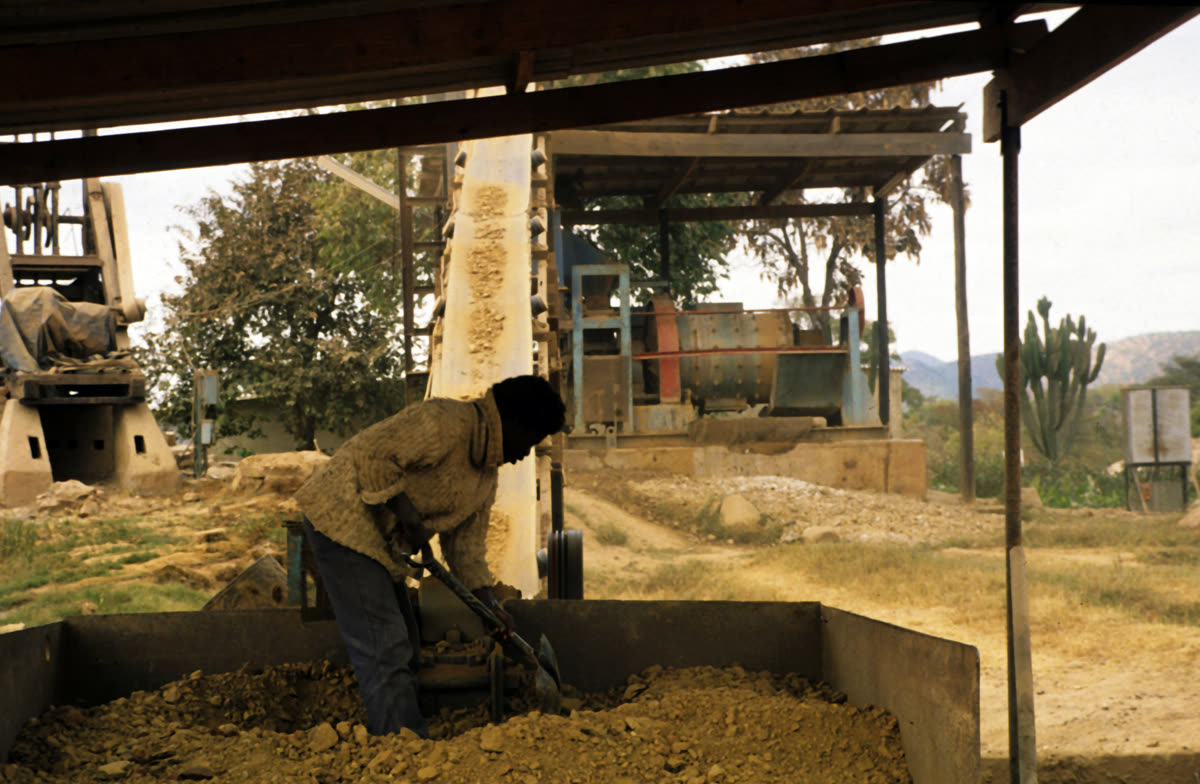
Nyasha: That thumping is a stamp mill, and small-scale miners are carrying this year's gold. The Herald reports deliveries to Fidelity of thirty-five point eight eight tonnes from January to September, against a fifty-tonne goal. Artisanal and small-scale miners delivered twenty-five point seven eight of them.
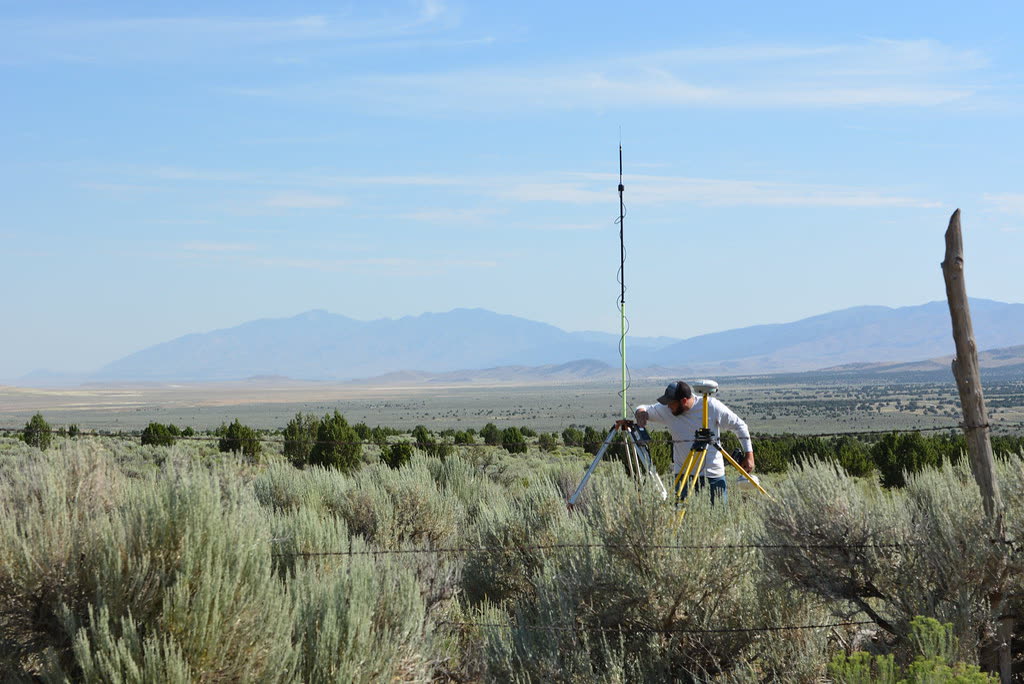
Nyasha: Around the sector now. The Ministry of Mines and Mining Development has given title holders ninety days, from the fifteenth of October, to submit surveyed coordinates missing from its records. The notice says no payment is required, and Ministry teams will carry official identification. Farai, small-scale gold miners have a deadline of their own, don't they?
Farai: They do. Under a policy from Minister Kambamura, existing operators must regularise by the first of January twenty twenty-seven. Foreign investors must move above the small-scale limits of twenty kilogrammes a month or fifteen million dollars invested.
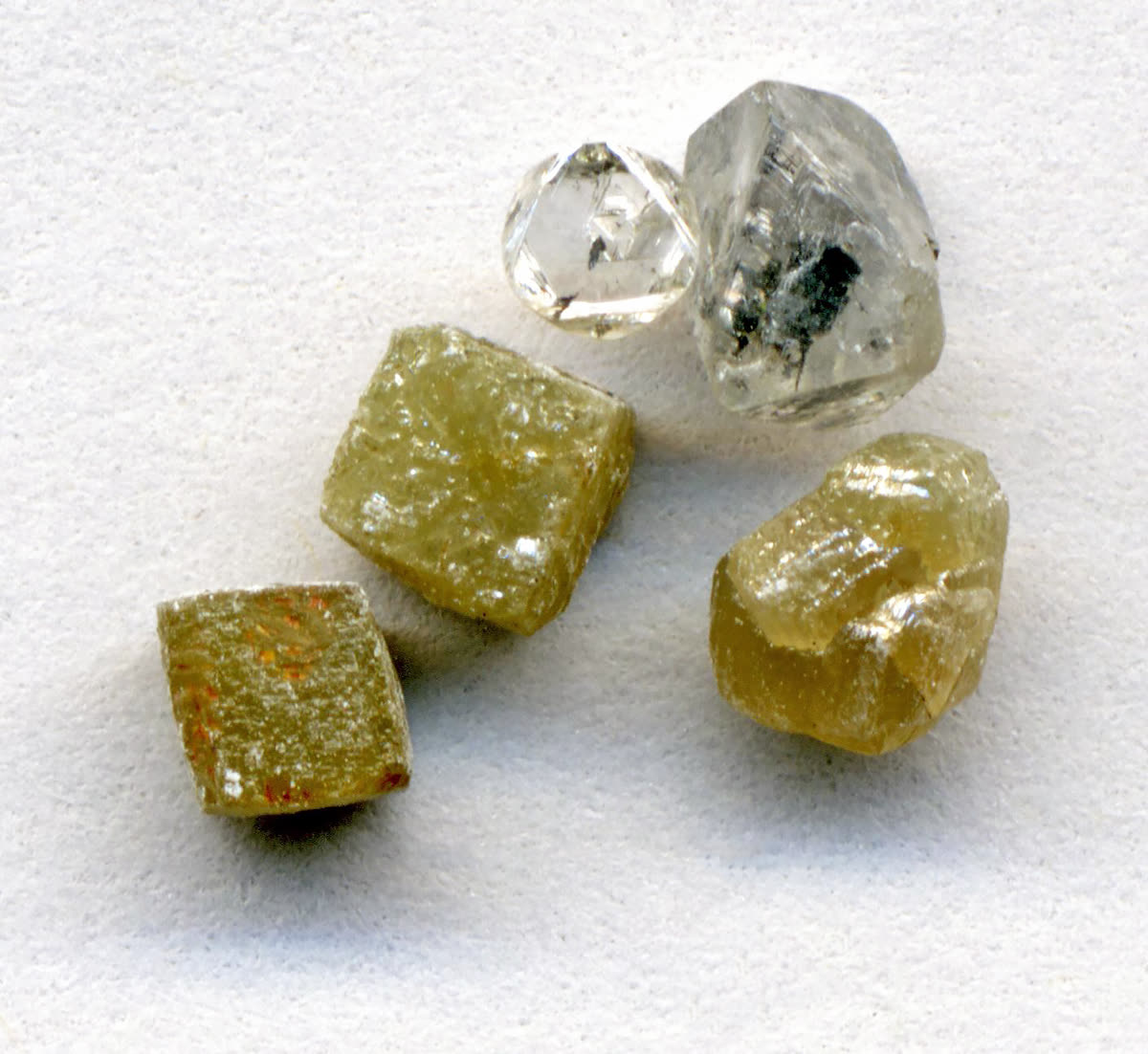
Nyasha: As for diamonds, exports earned sixty-two point three million US dollars from January to September, Mining Zimbabwe reports, about twenty-four dollars seventy-two a carat. Kimberley Process data put last year at twenty-seven dollars sixteen. In twenty twenty-three it was fifty-three dollars eighteen.
Nyasha: And finally, to Mberengwa, where small-scale gold miner Doctor David Kilpin is building a primary school in Bvute communal lands. It will start with four hundred and fifty pupils, and local people already have work supplying farm bricks and building it. District development coordinator Vafios Hlavati hailed him as an agent of community development:
Vafios Hlavati (read by an AI voice): We want investors and business operators who follow the President's Vision, and we are happy when investors plough back to communities where they are operating.
Nyasha: The school is expected to open its doors next year.
Nyasha: This show is brought to you by Executive AI Studio. We build AI assistants for Zimbabwean businesses. Find us at executiveai.studio.
Nyasha: Sources for every story are in the episode notes. This brief was researched and written by AI. I'm Nyasha. Have a good week.