Zimbabwe Farming Brief

Cabinet's El Niño plan and advice to plant in December

22 October 2026 · 8 min

The Zimbabwe Farming Brief for 22 October 2026 covers Cabinet's summer plan for a dry El Niño season and its projected cereal shortfall of 663,188 tonnes, duty-free fertiliser imports, a drier than normal start to the rains and official advice to plant in December. It ends with women's seats on irrigation committees almost tripling.

Local maize trades close to the GMB price of US$364.75 a tonne

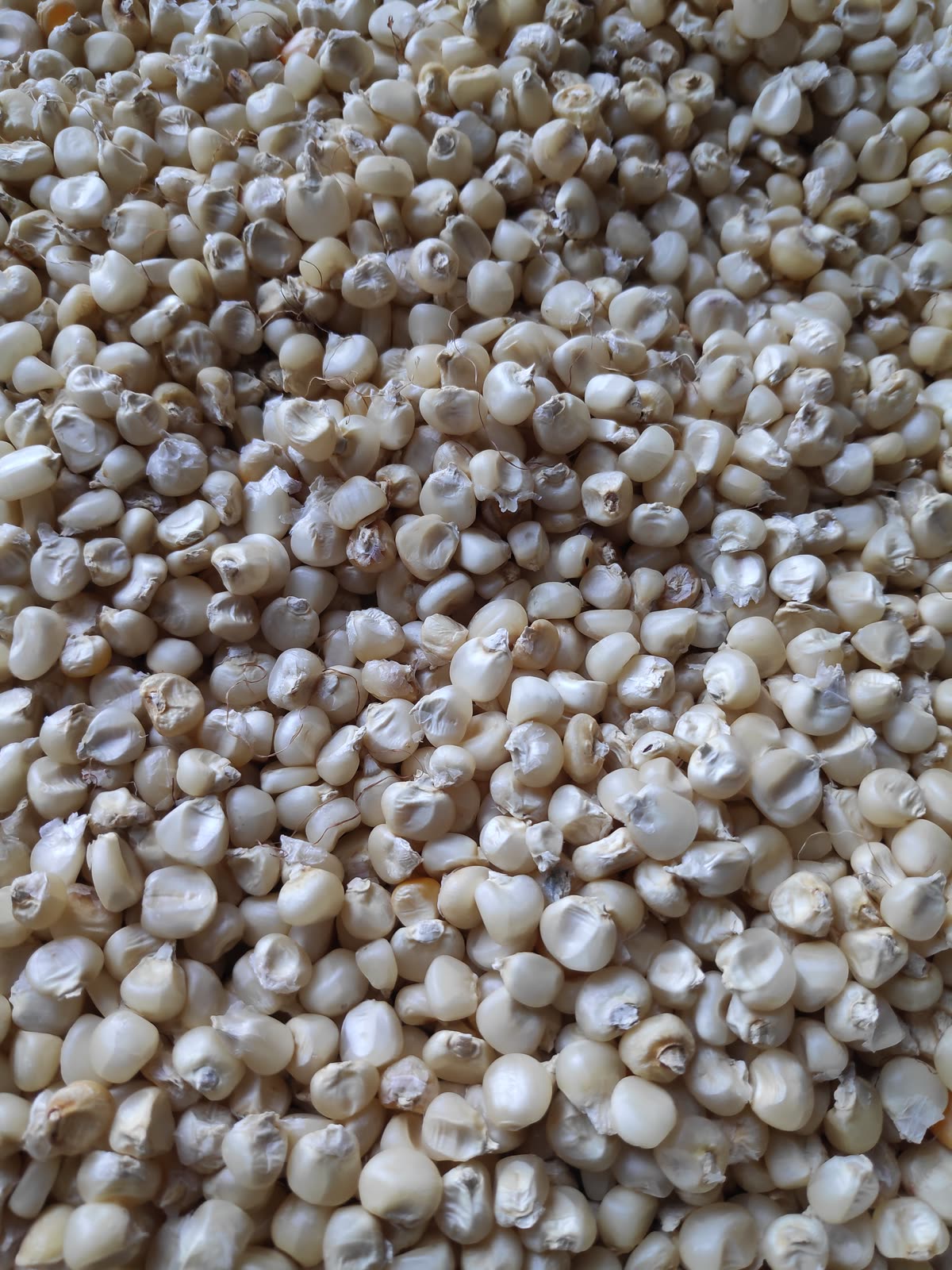
White maize grain.
White maize grain. Photo: Gaurav Dhwaj Khadka, CC BY-SA 4.0, via Wikimedia Commons.

The Grain Marketing Board (GMB) pays an incentive price of US$364.75 a tonne for maize. The Zimbabwe Mercantile Exchange (ZMX) put local maize at US$364 a tonne in its bulletin of 16 October, close to the GMB price.

South African maize looks cheaper at about US$262 a tonne. The same bulletin puts the cost of landing it in Zimbabwe, after freight, financing and border costs, at US$391 a tonne.

On the ZMX price board on 22 October, maize was at 37 US cents a kilogram, yellow maize at 34.7 cents, soya beans at 60 cents, wheat at 46 cents and white sorghum at 30 cents.

Sources: equityaxis.net, zmx.co.zw

Cabinet allows duty-free fertiliser imports as Mashonaland West hands out free inputs

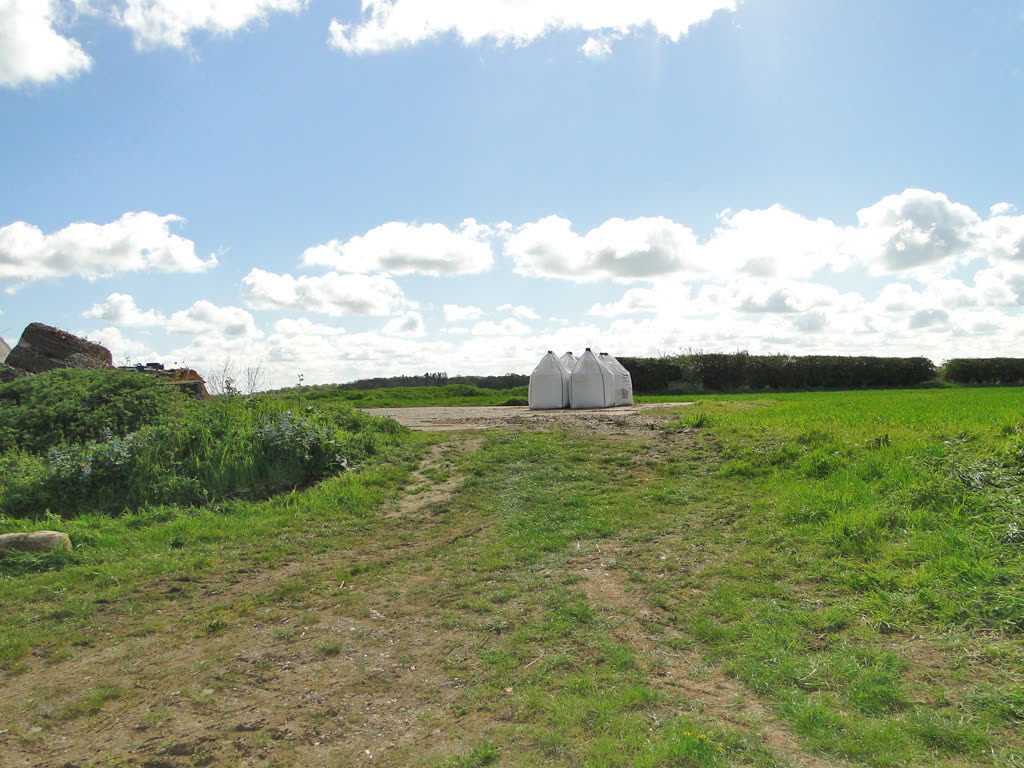
Bags of nitrogen fertilizer ready for spreading in a field elsewhere, in the United Kingdom.
Bags of nitrogen fertilizer ready for spreading in a field elsewhere, in the United Kingdom. Photo: Adrian S Pye, CC BY-SA 2.0, via Wikimedia Commons.

Fertiliser prices are high and Government expects shortages. At the post-Cabinet briefing on Tuesday 20 October, Professor Paul Mavima, Acting Minister of Information, Publicity and Broadcasting Services, said "the duty-free importation for both basal and top dressing fertilizers will be allowed to meet the expected shortages in local supply."

Mashonaland West launched its Pfumvudza season on 21 October at Muchiedza Primary School in Makonde District, with free input packs of fertiliser, lime and seed. Evelyn Ndoro, acting provincial director of Agricultural and Rural Development Advisory Services in Mashonaland West, said: "This year, we are expecting less rainfall, so we need to double the Pfumvudza production we achieved last year."

Beauty Zarima, a Pfumvudza farmer in the province, had struggled to find seed. "Now, when it rains, I have nothing to wait for but to get into the field and feed my family," Beauty Zarima said.

Sources: zimbabwesituation.com, youtube.com, zimbabwesituation.com, heraldonline.co.zw

Weather service expects a drier and warmer than normal October to December

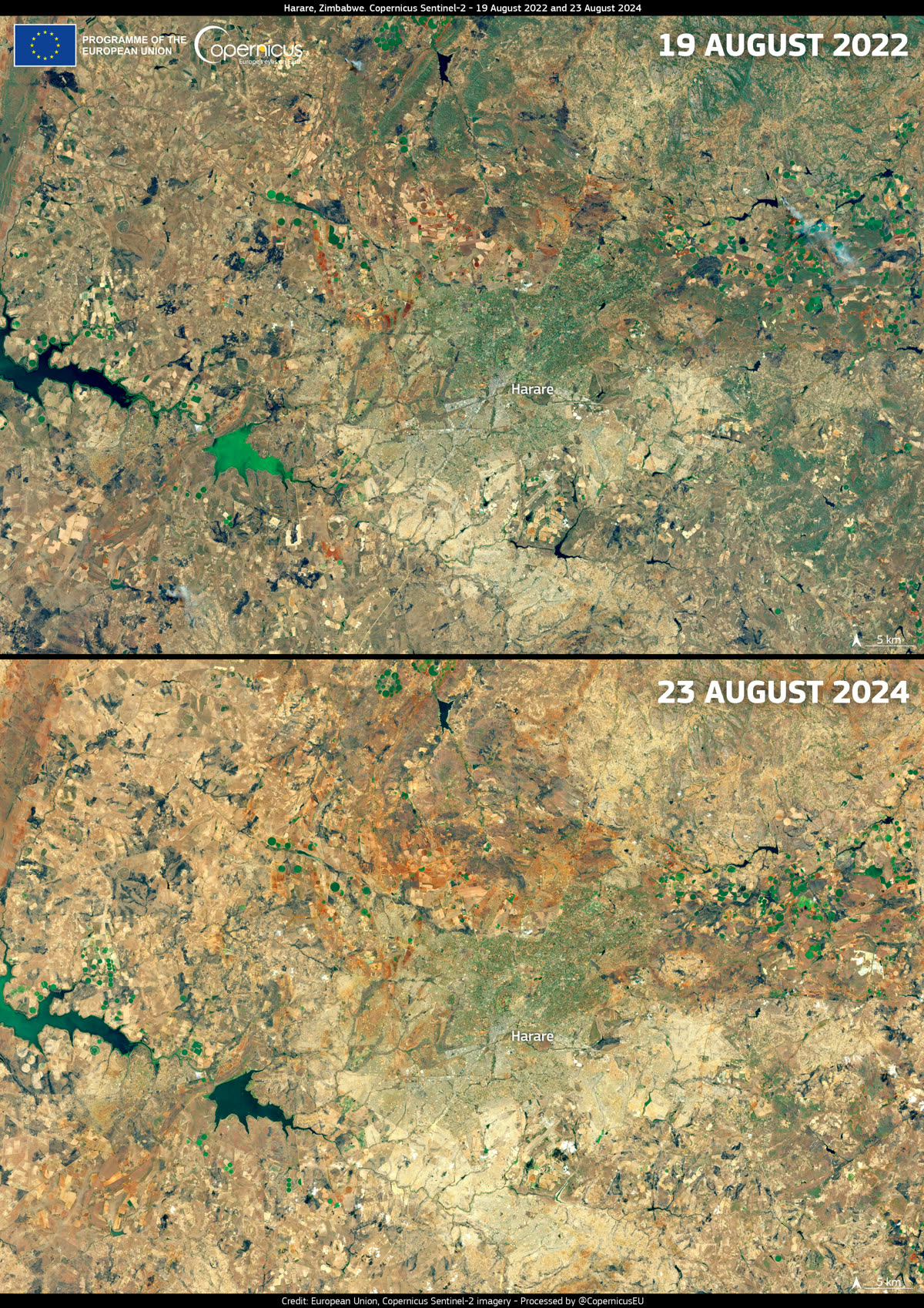
Satellite imagery comparing the area around Harare in August 2022 and August 2024 shows the severe impact of drought on local farmland.
Satellite imagery comparing the area around Harare in August 2022 and August 2024 shows the severe impact of drought on local farmland. Photo: European Union, Copernicus Sentinel-2 imagery, Attribution, via Wikimedia Commons.

After very hot conditions across the country from Sunday 18 to Tuesday 20 October, the Meteorological Services Department forecast more heat on Wednesday. Harare, northern Manicaland and the Mashonaland provinces were expected to be partly cloudy and hot, with a chance of isolated showers in the north-eastern districts. The rest of the country, including Bulawayo, Matabeleland North and South, southern Manicaland, the Midlands and Masvingo, was forecast to be mostly sunny and hot.

For the season, the department expects October to December to be drier than normal in every province, and warmer than normal, with a highly erratic start. Parts of the country may see no effective start to the rains at all.

From January to March, the department expects normal to below-normal rain in the south and west, and below-normal rain elsewhere.

Sources: heraldonline.co.zw, heraldonline.co.zw, weatherzw.org.zw

Cabinet approves its summer plan and projects a cereal shortfall of 663,188 tonnes

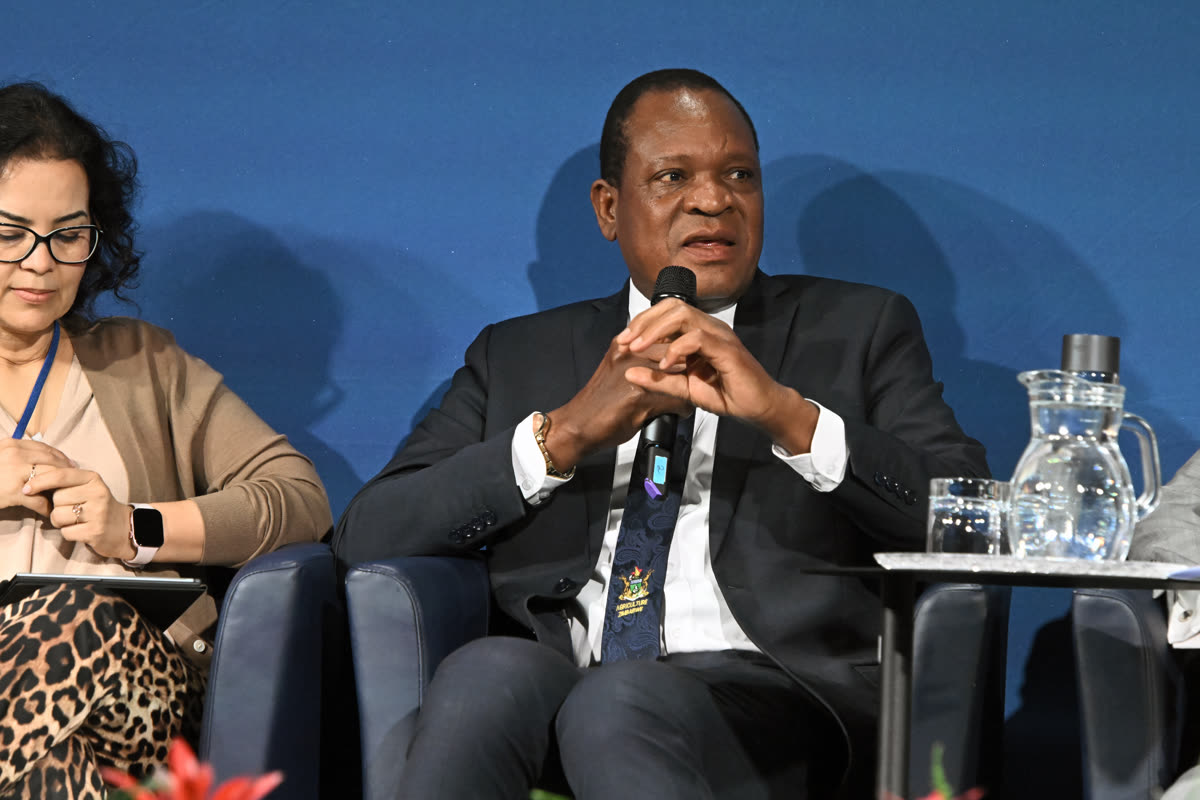
Dr Anxious Jongwe Masuka speaking at the Scientific Forum 2024 closing session.
Dr Anxious Jongwe Masuka speaking at the Scientific Forum 2024 closing session. Photo: IAEA Imagebank, CC BY 2.0, via Wikimedia Commons.

On Tuesday 20 October, Cabinet approved the 2026-2027 Summer Plan, with the drought plan built in. Professor Paul Mavima, the Acting Information Minister, said "the 2026-2027 summer season is characterized with two major threats, a predicted super El Niño and geopolitical tensions."

Cabinet projects 1.61 million tonnes of cereals next season against national requirements of 2.27 million tonnes. Equity Axis says that covers about 71% of demand, leaving a shortfall of 663,188 tonnes. This year's cereal harvest was around 2.7 million tonnes.

Government plans to close the gap with limited imports and a strategic grain reserve of 600,000 tonnes by October next year, a target set in the drought plan of 16 September. Dr Anxious Masuka, Minister of Agriculture, Mechanisation and Water Resources Development, explained the plan in a briefing posted by Maricho Media: "The planning is robust and we have a very good response plan to ensure that we produce enough. We have a strategic grain reserve and if that fails we'll have some imports."

Cattle are in the plan too. Professor Mavima said: "Regarding livestock, the expected number of cattle at risk from drought in 2027 is 2,236,203."

Sources: zimbabwesituation.com, equityaxis.net, equityaxis.net, youtube.com, youtube.com, heraldonline.co.zw

Wheat harvest reaches 234,144 tonnes, 35% of the national target

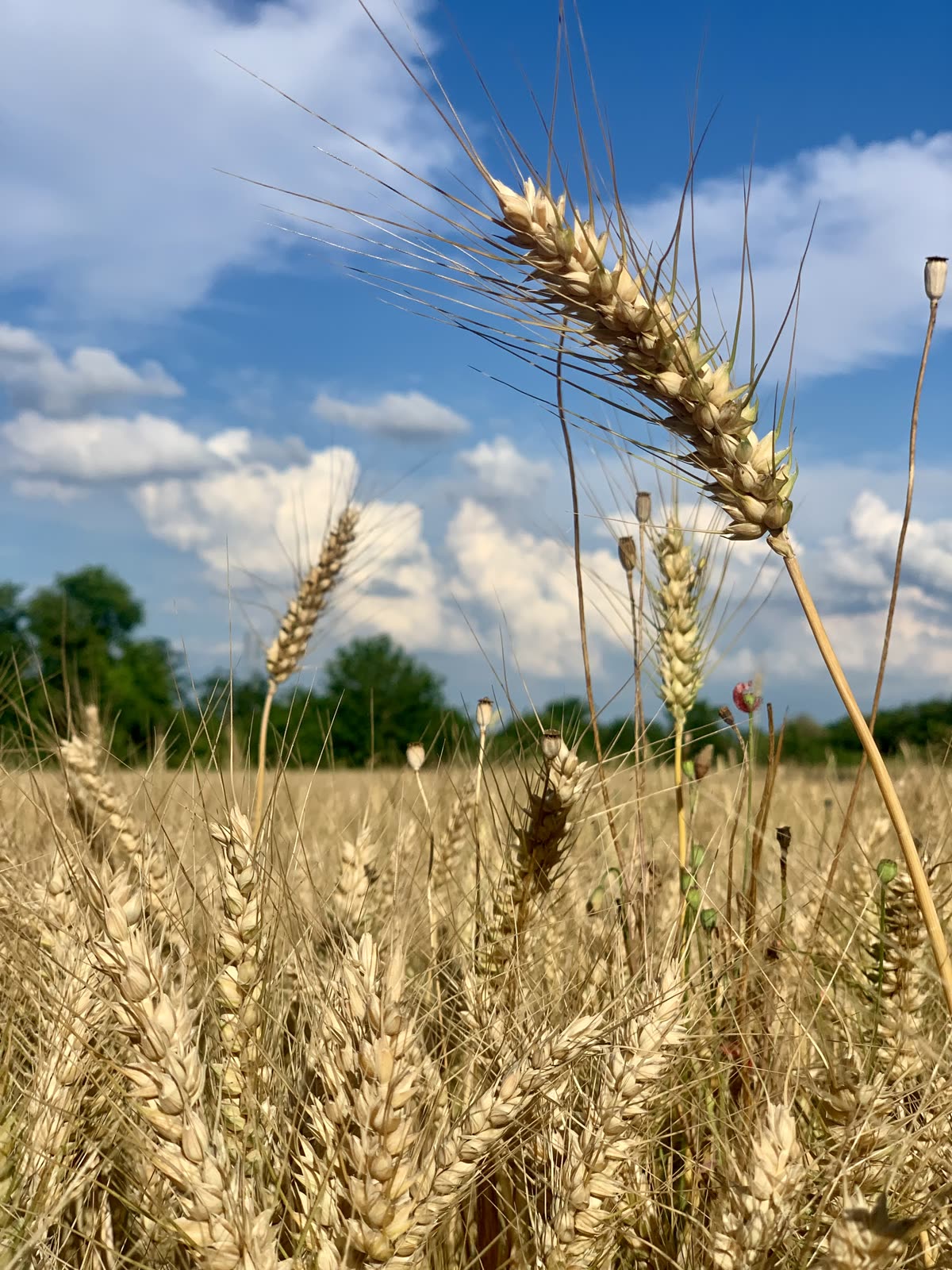
Ripe wheat ears growing in a field.
Ripe wheat ears growing in a field. Photo: Daniela M., CC BY-SA 4.0, via Wikimedia Commons.

Farmers have harvested 234,144 tonnes of wheat from the winter crop, The Herald reported on 19 October. That is 35% of the national target.

The wheat figures come as Government prepares for a dry summer, with Cabinet projecting a cereal shortfall of 663,188 tonnes next season. On the Zimbabwe Mercantile Exchange price board on 22 October, wheat was trading at 46 US cents a kilogram.

Sources: heraldonline.co.zw, equityaxis.net, zmx.co.zw

Ministry of Agriculture advises farmers to plant in December

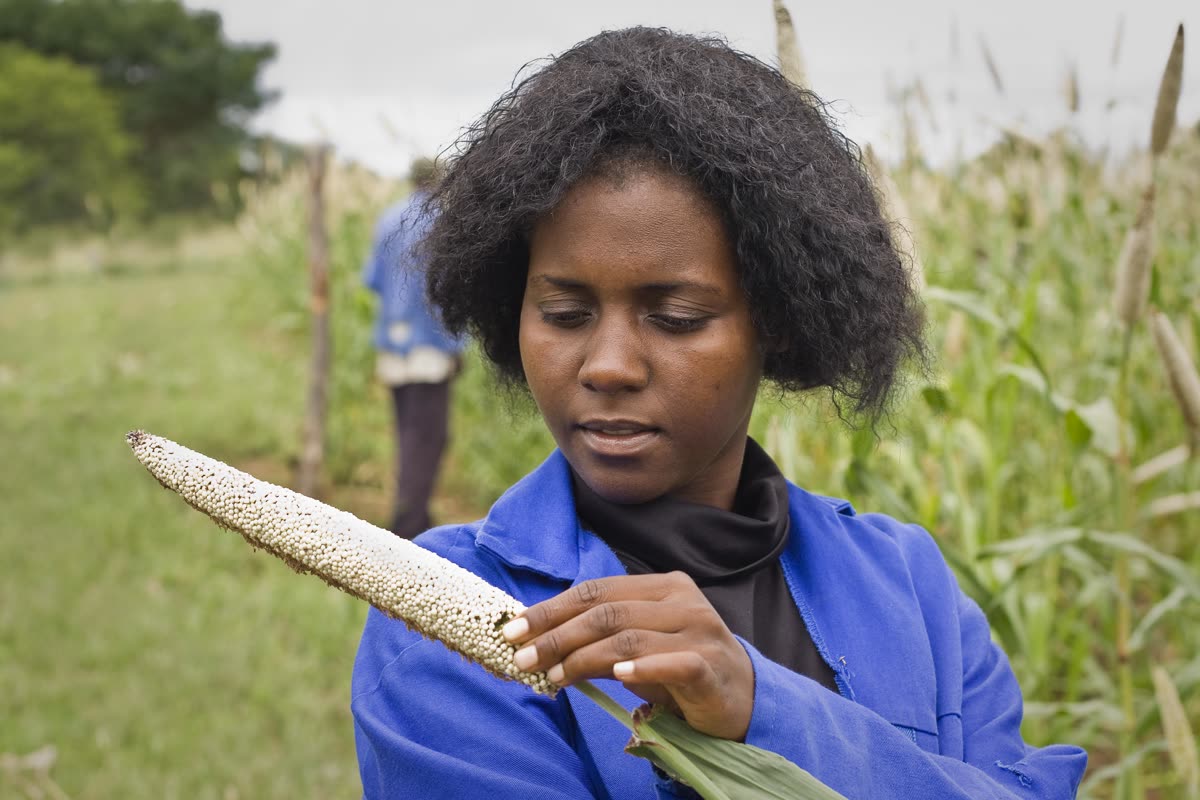
A researcher checks a pearl millet seed crop at Matopos Research Station in Zimbabwe.
A researcher checks a pearl millet seed crop at Matopos Research Station in Zimbabwe. Photo: Swathi Sridharan (ICRISAT), CC BY-SA 2.0, via Wikimedia Commons.

The Ministry of Agriculture advises farmers to make December their main planting month this season. Use October to prepare land and secure inputs. In November, check the rain and the soil moisture. Then plant in December, once the rains have set in.

Engineer Bezzel Chitsungo, Director of the Department of Soil Conservation, said farmers should avoid planting in response to one isolated shower, which may not give enough moisture to sustain a crop. In the drier south and west, Permanent Secretary Professor Obert Jiri advised drought-tolerant crops such as sorghum, pearl millet and cowpeas. In an interview with AgricultureZimbabwe posted on 3 September, Professor Jiri said: "there's no need to panic. If you already know what's coming, we better prepare for it. So farmers must not panic."

Dr Hillary Mugiyo, the Ministry's Chief Agricultural Specialist, said soil management would be critical: "While we cannot control when or how much rain falls, we can directly influence how much of it our soils retain."

Sources: heraldonline.co.zw, youtube.com

Women's share of irrigation committee seats almost triples to about 49%

Dr Ayodele Odusola.
Dr Ayodele Odusola. Photo: Jneuhaus99, CC BY-SA 4.0, via Wikimedia Commons.

Women now hold about 49% of the seats on the committees that run irrigation schemes supported by a United Nations Development Programme (UNDP) project in Manicaland, Masvingo and Matabeleland South. At the start of the project the share was under 20%, so it has almost tripled.

An Irrigation Management Committee is a locally elected body that oversees water distribution, fee collection and the upkeep of irrigation infrastructure. The project reaches more than 2.8 million people in 15 districts of the three provinces.

Dr Ayodele Odusola, UNDP's Resident Representative in Zimbabwe, said the evidence from these schemes shows why policy must keep women at the centre of adaptation efforts. "Rural women are not only among those most affected by climate change; they are also central to the solutions," Dr Odusola said.

Sources: farmfutureafrica.co.zw

Episode notes

Cabinet approves its summer plan as it projects a cereal shortfall of 663,188 tonnes and duty-free fertiliser imports. The Meteorological Services Department forecasts a drier than normal October to December, officials advise planting in December, and maize on the ZMX trades close to the GMB price. And finally: women's representation on irrigation committees almost triples. The scene sounds in this episode are made by AI, and quotes marked as read by an AI voice are the speakers' published words.

Sources

Audio clips

Quotes read by AI voices

  • Evelyn Ndoro, acting provincial director of Agricultural and Rural Development Advisory Services, Mashonaland West, from The Herald
  • Beauty Zarima, a Pfumvudza farmer in Mashonaland West, from The Herald
  • Dr Hillary Mugiyo, Chief Agricultural Specialist, Ministry of Agriculture, from The Herald
  • Dr Ayodele Odusola, UNDP Zimbabwe Resident Representative, from Farm Future Africa

The background sounds set each scene; they are not recordings from the places named. They are made by AI.

Presented by Nyasha and Farai, two AI presenters. Researched and written by AI. Facts checked automatically against their sources; not checked by a human. Produced by Executive AI Studio.

Transcript

Professor Paul Mavima: the 2026-2027 summer season is characterized with two major threats, a predicted super El Niño and geopolitical tensions.

Nyasha: That was Acting Information Minister Professor Paul Mavima, at Tuesday's post-Cabinet briefing. Good morning. This is the Zimbabwe Farming Brief from Executive AI Studio, for Thursday the twenty-second of October. I'm Nyasha, an AI presenter, and with me is our AI correspondent, Farai. This week, Cabinet approved its plan for a dry El Niño season, the weather service expects a drier than normal start to the rains, and officials say plant in December. We'll end with good news: more women on the committees that run irrigation schemes.

Farai: Thanks, Nyasha. Let's start with maize prices. What you're hearing is a busy grain depot, made by AI, like me. The Grain Marketing Board, the GMB, pays an incentive price of three hundred and sixty-four US dollars and seventy-five cents a tonne. The Zimbabwe Mercantile Exchange, the ZMX, put local maize at three hundred and sixty-four dollars a tonne in its bulletin of the sixteenth of October.

Nyasha: Sorry, Farai, isn't South African maize cheaper?

Farai: It LOOKS cheaper, at about two hundred and sixty-two dollars a tonne. But the bulletin puts the cost of landing it in Zimbabwe, after freight, financing and border costs, at three hundred and ninety-one dollars. On the ZMX price board today, maize was thirty-seven US cents a kilogram, yellow maize thirty-four point seven cents, soya beans sixty cents, wheat forty-six cents and white sorghum thirty cents.

Nyasha: Now, let's look at fertiliser. Prices are high, and Government expects shortages. At Tuesday's post-Cabinet briefing, Acting Information Minister Professor Paul Mavima said:

Professor Paul Mavima: the duty-free importation for both basal and top dressing fertilizers will be allowed to meet the expected shortages in local supply.

Farai: Out in Makonde, Mashonaland West launched its Pfumvudza season this week, with free input packs of fertiliser, lime and seed. The province's acting director of advisory services, Evelyn Ndoro, said, in words read by an AI voice:

Evelyn Ndoro (read by an AI voice): This year, we are expecting less rainfall, so we need to double the Pfumvudza production we achieved last year

Farai: Farmer Beauty Zarima had struggled to find seed. In her words:

Beauty Zarima (read by an AI voice): Now, when it rains, I have nothing to wait for but to get into the field and feed my family

Nyasha: Now let's turn to the weather. After very hot days from Sunday to Tuesday, the Meteorological Services Department forecast more heat across the country on Wednesday, with a chance of isolated showers in the north-eastern districts.

Nyasha: For the season, the department expects October to December to be drier than normal in every province, and warmer than normal, with a highly erratic start. Parts of the country may see no effective start to the rains at all. From January to March, it expects normal to below-normal rain in the south and west, and below-normal rain elsewhere.

Nyasha: That brings us to this week's main story. On Tuesday, Cabinet approved its summer plan, with the drought plan built in. Farai?

Farai: Cabinet projects one point six one million tonnes of cereals next season. Equity Axis says that covers about seventy-one percent of demand, leaving a gap of six hundred and sixty-three thousand tonnes. For comparison, this year's cereal harvest was around two point seven million tonnes.

Nyasha: So how will Government close that gap?

Farai: With limited imports, and a strategic grain reserve of six hundred thousand tonnes by October next year. In a briefing posted by Maricho Media, Agriculture Minister Anxious Masuka explained the plan:

Dr Anxious Masuka: The planning is robust and we have a very good response plan to ensure that we produce enough. We have a strategic grain reserve and if that fails we'll have some imports.

Farai: Cattle are in the plan too. Here's Professor Mavima again:

Professor Paul Mavima: Regarding livestock, the expected number of cattle at risk from drought in 2027 is 2,236,203.

Nyasha: On the winter crop, farmers have now harvested two hundred and thirty-four thousand tonnes of wheat, thirty-five percent of the national target.

Farai: This week's tip comes from the Ministry of Agriculture. Make December your main planting month. Use October to prepare your land and get your inputs. In November, check the rain and the soil moisture. Then plant in December, once the rains have set in. Engineer Bezzel Chitsungo, Director of Soil Conservation, says one isolated shower is no reason to plant. In the drier south and west, Permanent Secretary Professor Obert Jiri suggests sorghum, pearl millet and cowpeas. In an interview with Agriculture Zimbabwe last month, he said:

Professor Obert Jiri: there's no need to panic. If you already know what's coming, we better prepare for it. So farmers must not panic.

Farai: And the Ministry's chief agricultural specialist, Doctor Hillary Mugiyo:

Dr Hillary Mugiyo (read by an AI voice): While we cannot control when or how much rain falls, we can directly influence how much of it our soils retain

Nyasha: And finally, some good news from irrigation schemes in Manicaland, Masvingo and Matabeleland South. On a project backed by the United Nations Development Programme, women's share of seats on the committees that run them has almost TRIPLED, from under twenty percent to about forty-nine percent. UNDP's Resident Representative in Zimbabwe, Doctor Ayodele Odusola, said:

Dr Ayodele Odusola (read by an AI voice): Rural women are not only among those most affected by climate change; they are also central to the solutions

Nyasha: This show is brought to you by Executive AI Studio. We build AI assistants for Zimbabwean businesses. Find us at executiveai.studio.

Nyasha: Sources for every story are in the episode notes. For advice about your own crops or animals, talk to your local AGRITEX or veterinary officer. This brief was researched and written by AI. I'm Nyasha. Have a good week.
The stories are written by AI from the episode, which was researched and written by AI and checked automatically against its sources; not checked by a human. Photos are credited under each one. Made by Executive AI Studio.